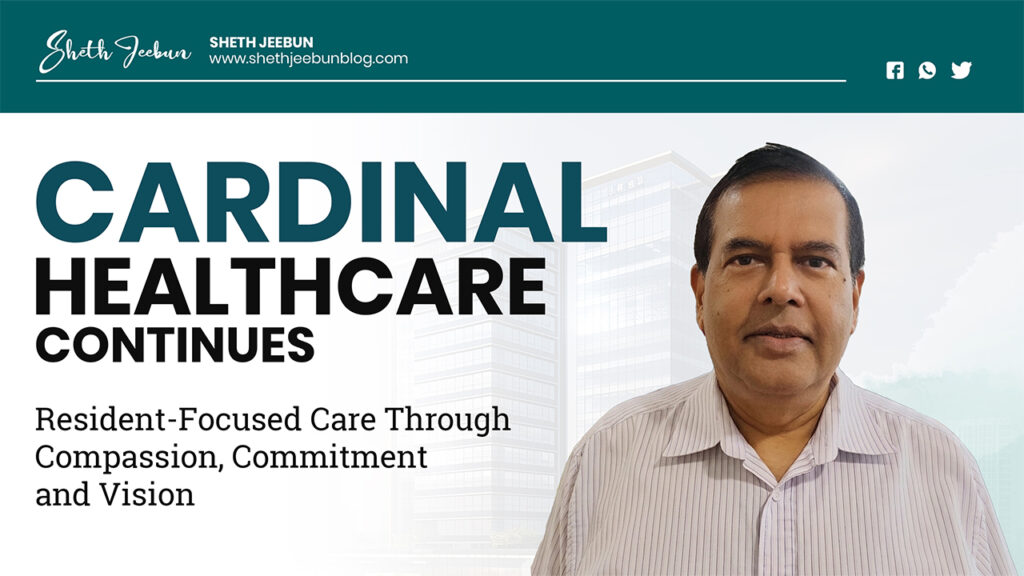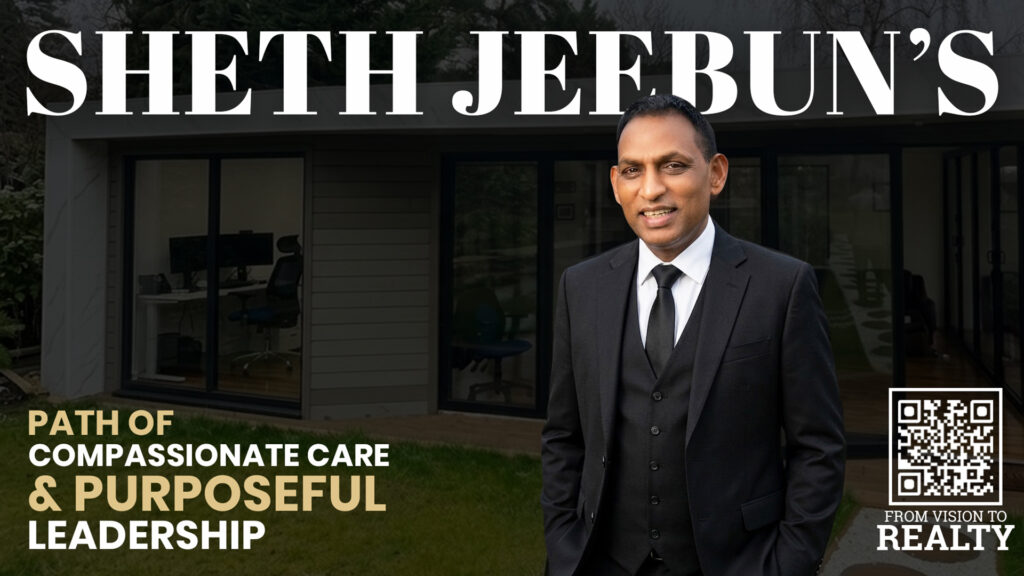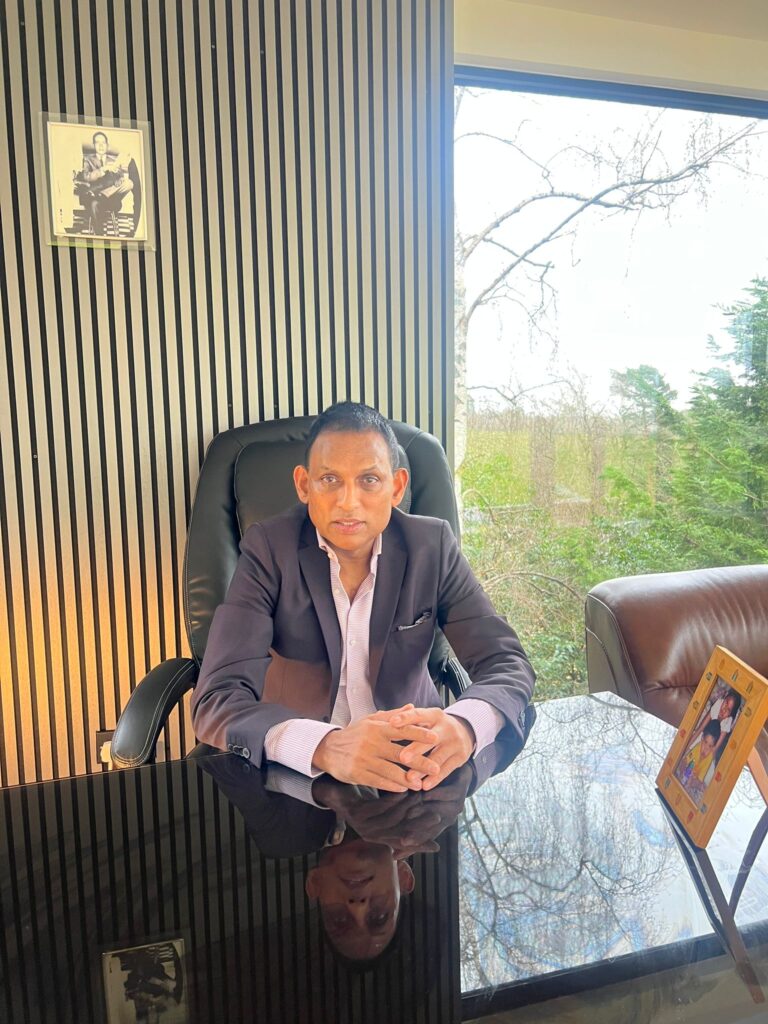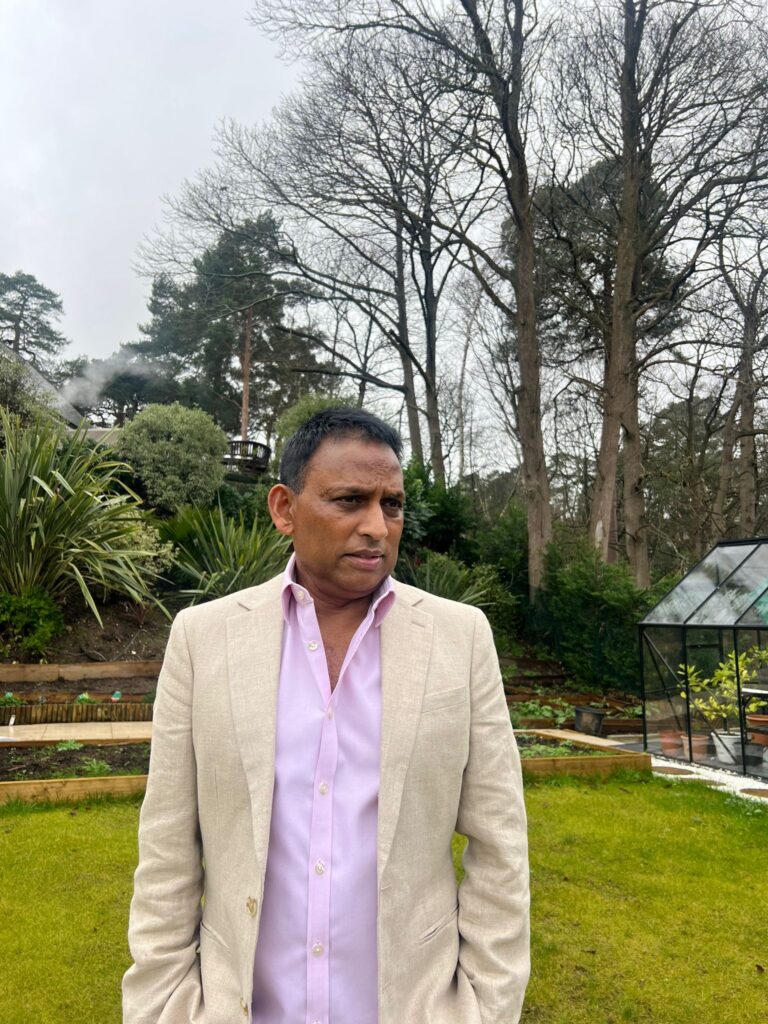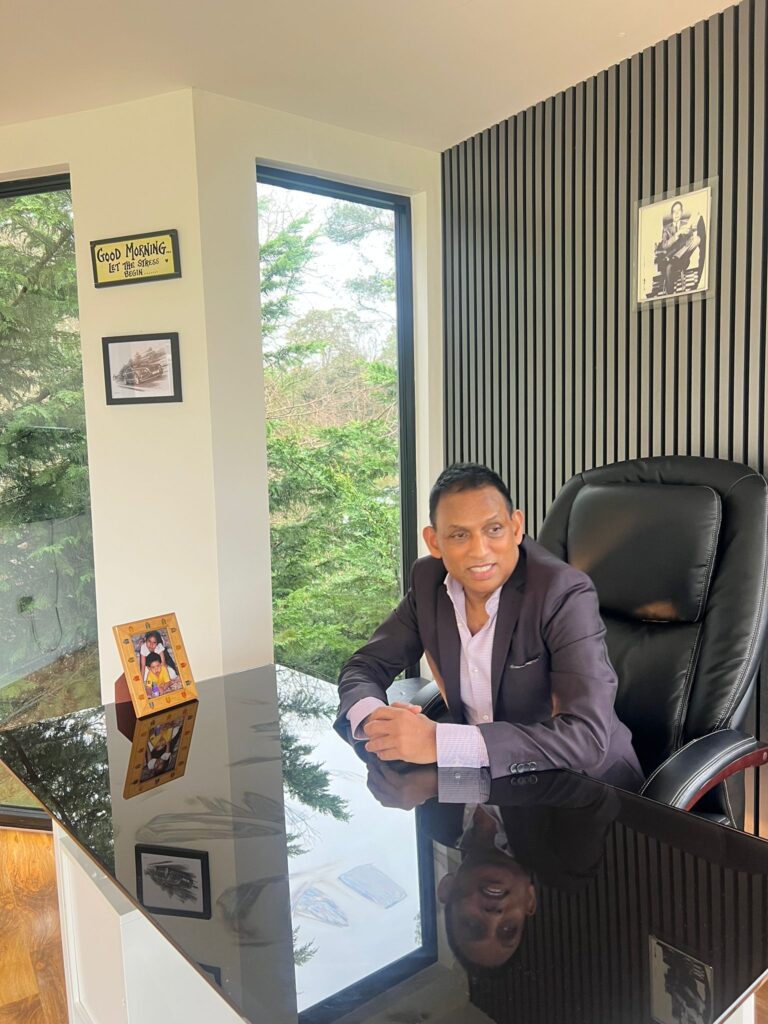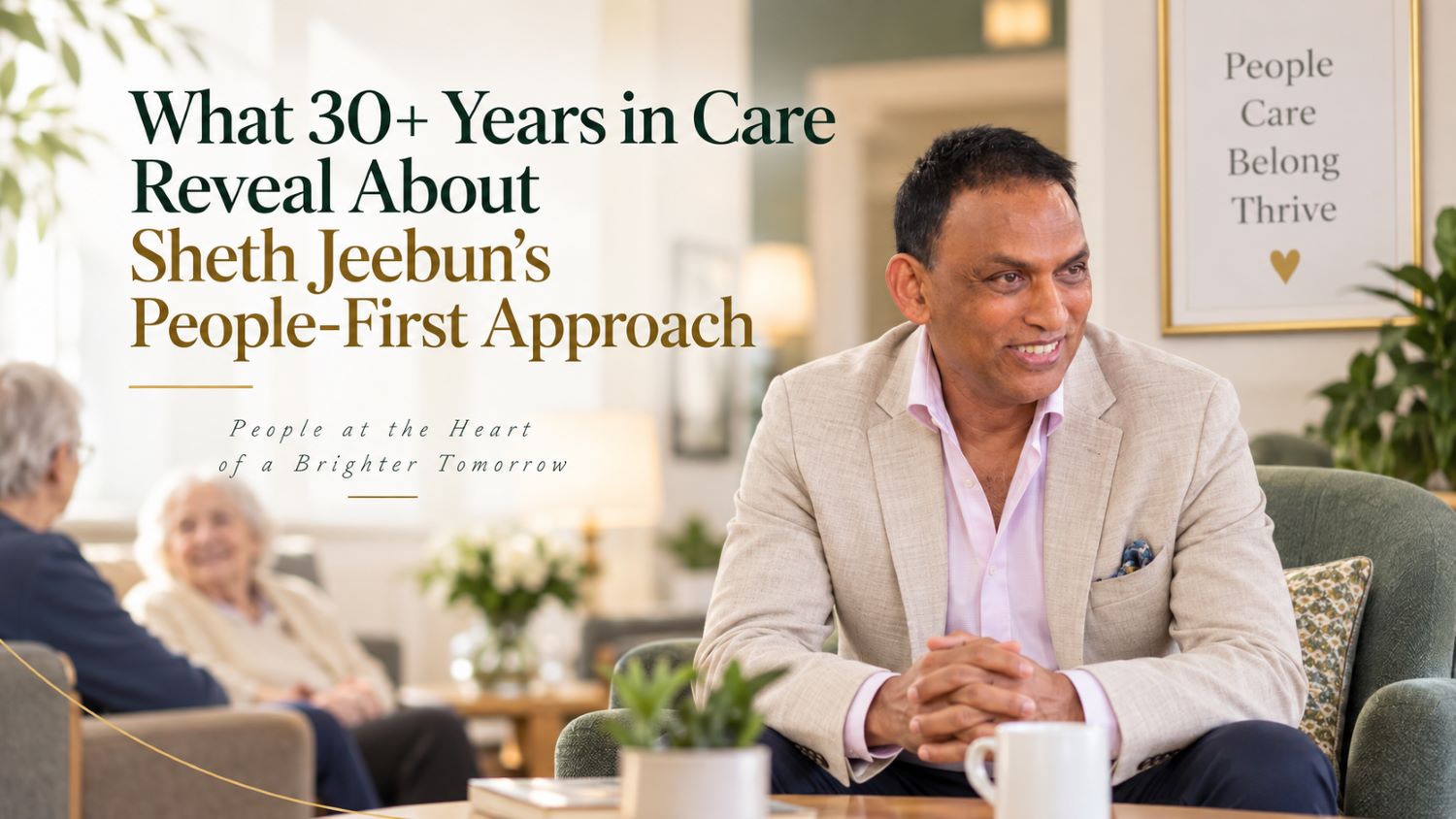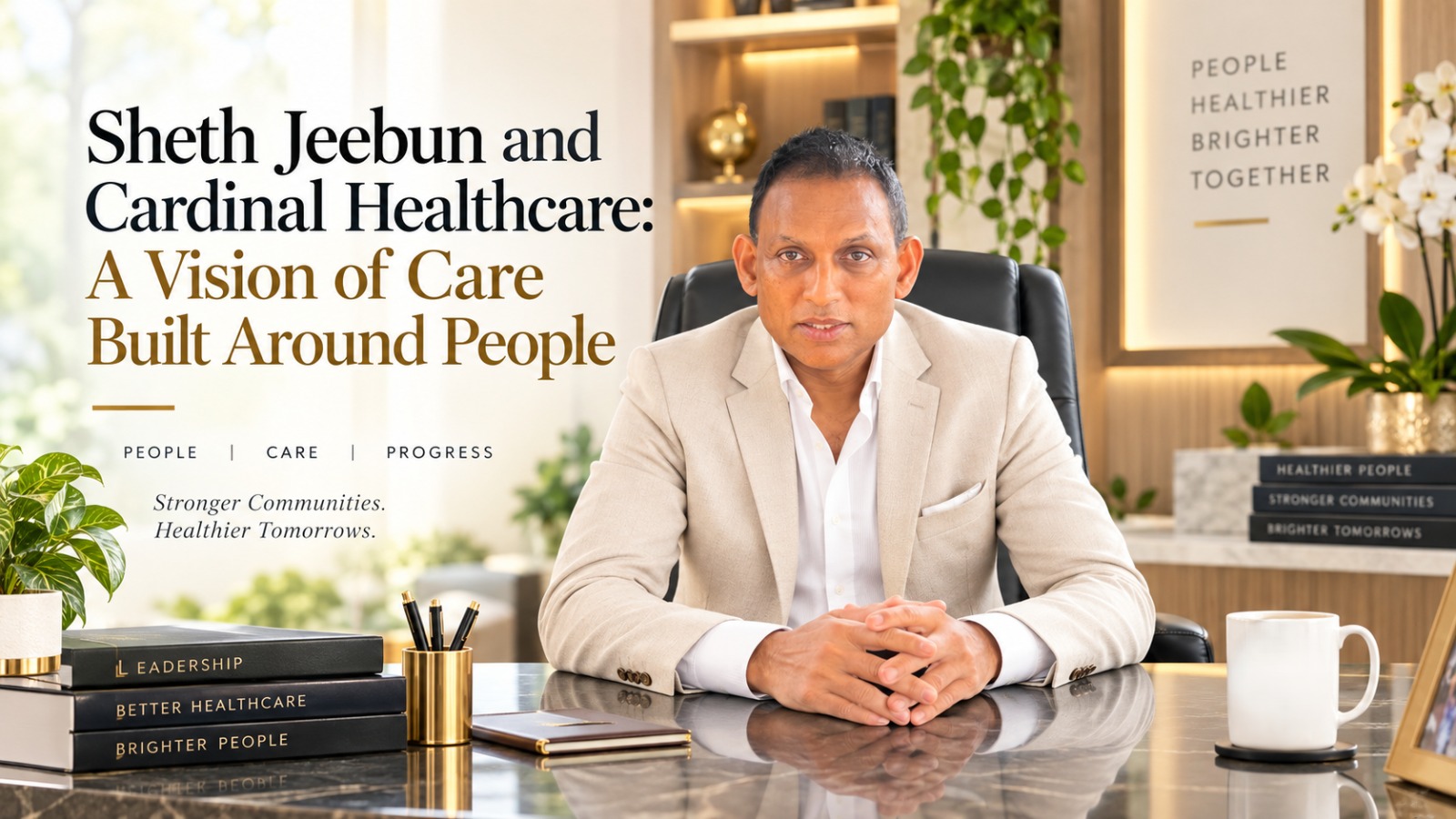
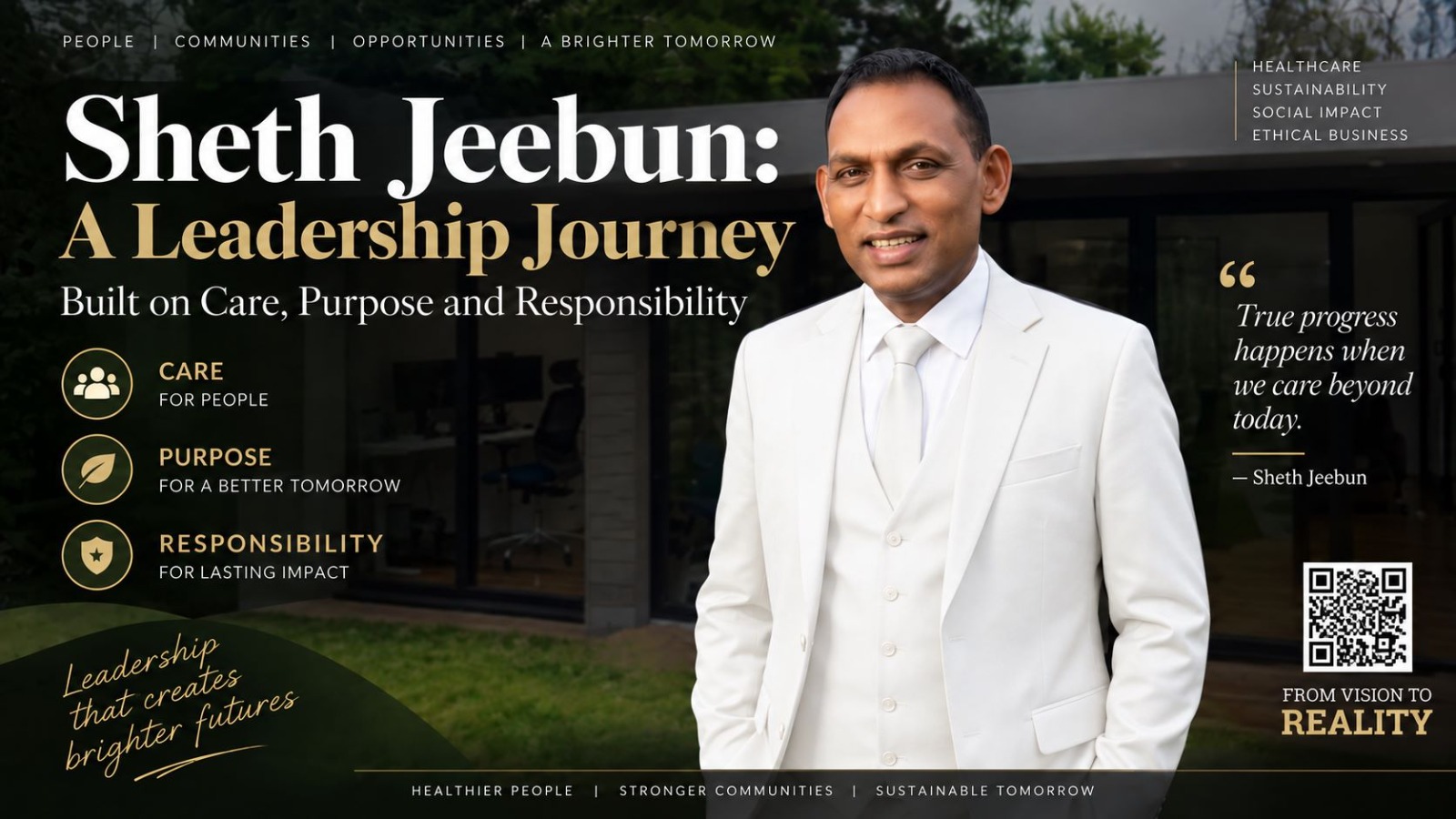
Sheth Jeebun is a healthcare leader, entrepreneur and socially responsible business professional whose career reflects a long-term commitment to care, dignity, sustainability and community development. With more than three decades of experience across nursing, elderly care, healthcare management, business leadership and ethical enterprise, his professional journey demonstrates how practical experience, compassionate leadership and strategic thinking can come together to create meaningful impact.
His career began in healthcare, where he developed a deep understanding of the challenges faced by patients, elderly people, families and frontline professionals. Over time, he progressed from direct clinical responsibilities into senior leadership and business management, building experience in nursing care, residential services, dementia support, workforce development and healthcare operations.
What distinguishes Sheth Jeebun’s career is the way he has consistently connected business growth with social responsibility. His work has expanded beyond healthcare into sustainable enterprise, artisan empowerment and community-focused initiatives, while maintaining a strong emphasis on ethical leadership and long-term value.
Early Career in Nursing and Healthcare
Sheth Jeebun started his professional career as a registered nurse in the late 1980s. Working directly with patients provided him with first-hand experience of the importance of compassionate and personalised care. This stage of his career helped shape his understanding that healthcare should not focus only on clinical outcomes, but also on dignity, communication, emotional wellbeing and respect.
For elderly patients in particular, care often involves more than medical treatment. Many individuals require support with mobility, daily living, emotional wellbeing, social interaction and maintaining independence. Through his early healthcare experience, Jeebun developed an appreciation for the importance of treating every resident as an individual rather than as a case or number.
As his experience increased, he gradually moved into roles involving greater responsibility. His work expanded into the management and development of nursing homes, care teams and healthcare services. This progression allowed him to combine clinical knowledge with leadership, operational planning and long-term care management.
Building a Career in Elderly and Residential Care
A major part of Sheth Jeebun’s professional career has focused on elderly and residential care in the United Kingdom. Over the years, he has been involved in establishing, developing and managing multiple nursing and residential care facilities.
This work required a detailed understanding of the operational and human aspects of care delivery. Running a nursing home involves maintaining quality standards, recruiting and supporting staff, complying with regulations, ensuring resident safety, managing resources and creating an environment where people feel respected and secure.
Jeebun’s leadership approach has consistently focused on person-centred care. In this model, residents are not expected to adjust entirely to the needs of an organisation. Instead, the organisation works to understand each individual’s personal history, preferences, routine, medical requirements and emotional needs.
This approach is particularly important in dementia care, where familiarity, consistency and reassurance can make a significant difference to a person’s wellbeing. Creating supportive environments, maintaining dignity and helping people retain as much independence as possible have become important themes in Jeebun’s healthcare philosophy.
Leadership at Cardinal Healthcare
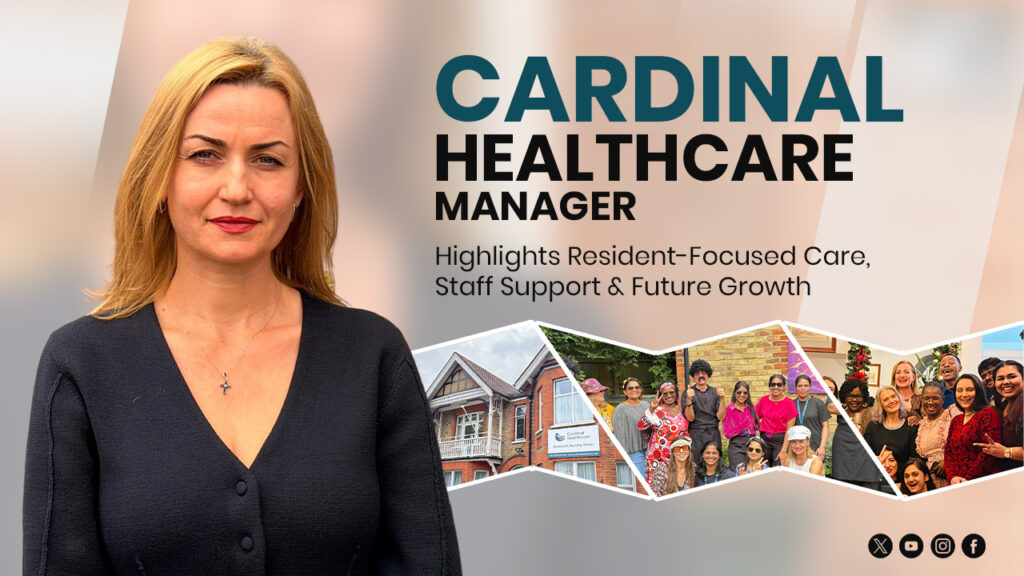
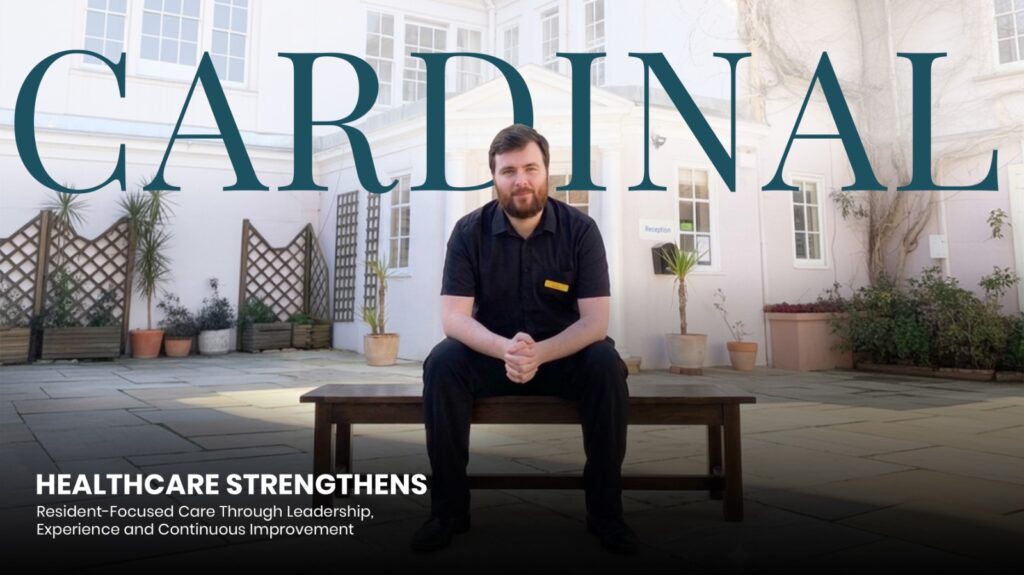
Sheth Jeebun is closely associated with Cardinal Healthcare, an organisation focused on residential, nursing and specialist care services. His involvement in the healthcare sector spans many years, including the earlier development of the business under the Aster Healthcare identity before its evolution into Cardinal Healthcare.
As a senior leader, his role has extended beyond the day-to-day management of care facilities. It includes strategic planning, workforce development, quality improvement, organisational growth and the development of systems designed to improve both resident experience and operational effectiveness.
One of the major principles behind his leadership is that high-quality healthcare depends heavily on the people delivering it. Nurses, carers, managers and support staff are central to the quality of life experienced by residents. Because of this, staff training, communication, professional development and workplace culture are important parts of his management philosophy.
A strong care organisation requires employees who feel valued, supported and properly equipped to perform their roles. By creating a culture based on responsibility, teamwork and continuous improvement, healthcare organisations can provide more consistent and compassionate support to the people who depend on them.
Person-Centred Care and Dignity
The concept of dignity is central to Sheth Jeebun’s approach to care.
For someone living in a nursing or residential environment, maintaining independence and personal identity can be extremely important. Residents should be able to make choices about their routine, activities, food, social interaction and personal preferences wherever possible.
Jeebun’s approach recognises that every resident has a personal story, family background, culture, interests and life experiences that should remain important even when they require additional care.
This philosophy moves away from purely task-based care and encourages a more human approach. Instead of focusing only on medication, meals and daily routines, person-centred care considers emotional comfort, relationships, communication, independence and quality of life.
For people living with dementia, these principles can be even more important. Familiar surroundings, sensitive communication, consistent support and meaningful activities can help reduce confusion and improve emotional wellbeing.
Technology and the Modernisation of Care
As healthcare continues to develop, technology has become increasingly important in improving efficiency, communication and quality.
Sheth Jeebun has supported the modernisation of care services through greater use of digital systems and improved healthcare management processes. The move towards paperless or digitally managed care environments can help improve record keeping, communication, personalised care planning and access to important resident information.
Digital transformation can also make healthcare organisations more efficient by reducing unnecessary paperwork and giving staff more time to focus on residents.
However, technology in care should always support human interaction rather than replace it. Jeebun’s broader healthcare philosophy remains focused on combining efficient systems with compassionate, personal support.
Modern care therefore requires a balance between technology, professional expertise and human understanding.
Sustainability and Responsible Business
Over time, Sheth Jeebun’s interests have expanded beyond healthcare into sustainability and ethical enterprise.
His involvement with Vayu Earth represents another important part of his professional journey. The initiative focuses on sustainable products, traditional craftsmanship, ethical sourcing and support for artisan communities.
Vayu Earth reflects the idea that businesses can contribute to economic development while also respecting people and the environment. Instead of focusing only on mass production, sustainable enterprise can create opportunities for skilled artisans, preserve traditional craftsmanship and encourage more responsible consumer choices.
This approach connects business growth with broader social and environmental responsibility.
Sheth Jeebun has shown particular interest in creating opportunities for women artisans in rural communities. By helping traditional handmade products reach wider markets, such initiatives can contribute to financial independence, local employment and the preservation of cultural skills.
For many artisan communities, access to international markets can provide opportunities that may not be available through local trade alone. Ethical business models can therefore help connect traditional skills with modern consumer demand while providing artisans with greater economic opportunities.
Social Responsibility and Community Impact
Community support has remained an important theme throughout Sheth Jeebun’s public and professional work.
His wider philosophy reflects the belief that businesses should contribute to the communities around them. This may include supporting charitable initiatives, disadvantaged individuals, education, healthcare, social development and community programmes.
Social responsibility is increasingly recognised as an important part of modern leadership. Organisations have the ability to influence not only employees and customers but also communities, supply chains and the environment.
Jeebun’s approach places particular emphasis on using business as a platform for positive impact. This can include creating employment, supporting vulnerable groups, promoting inclusion and investing in initiatives designed to improve long-term wellbeing.
His work across healthcare and ethical enterprise reflects a consistent belief that leadership carries responsibilities beyond financial performance.
A Leadership Style Based on Purpose
Sheth Jeebun’s leadership style can be described through several recurring principles: compassion, responsibility, integrity, strategic thinking and long-term vision.
His background in nursing gave him direct experience of the human side of healthcare. His later work in care-home management provided experience in leadership and organisational development. His involvement in sustainability and ethical enterprise expanded that perspective into broader social and environmental issues.
Together, these experiences have helped create a leadership approach that combines commercial awareness with social purpose.
Successful leadership, in this view, is not simply about increasing the size of an organisation. It is also about creating systems that improve lives, support employees, protect vulnerable individuals and contribute positively to society.
Supporting Employees and Building Strong Teams
Another important part of effective healthcare leadership is workforce development.
The quality of a care organisation is closely connected to the people who work within it. Staff members interact with residents every day and are often responsible for providing both practical and emotional support.
Because of this, training, communication, teamwork and professional development are essential.
Sheth Jeebun’s leadership approach recognises the importance of creating environments where employees can develop their skills and feel confident in their responsibilities.
Strong teams are built through clear expectations, supportive management, respect and shared values. When employees understand the purpose of their organisation and feel that their contribution matters, they are more likely to deliver consistent and compassionate care.
Connecting Healthcare, Business and Sustainability
At first glance, elderly care and sustainable lifestyle products may appear to be very different areas. However, there is a clear connection within Sheth Jeebun’s wider professional philosophy.
Both areas focus on people, dignity and responsibility.
In healthcare, dignity means treating residents with respect and helping them maintain quality of life.
In ethical enterprise, dignity can mean creating fair opportunities for artisans and supporting economic independence.
In sustainability, responsibility means considering the environmental impact of production and consumption.
Across these different activities, the same underlying principle remains visible: business decisions should consider their impact on people and communities.
More Than Three Decades of Experience
With a professional career spanning more than three decades, Sheth Jeebun has experienced significant changes in healthcare, technology, regulation, business and consumer expectations.
Healthcare organisations today operate in a much more complex environment than they did when he first entered the nursing profession. Greater regulation, digital technology, changing demographics and increased awareness of dementia and elderly care have transformed the sector.
At the same time, businesses are facing growing expectations around environmental responsibility, ethical supply chains and social impact.
Jeebun’s career has evolved alongside these changes, moving from clinical nursing into healthcare leadership and later into sustainability-focused entrepreneurship.
This ability to adapt while maintaining a consistent focus on care and responsibility has become an important part of his professional identity.
A Broader Definition of Success
Sheth Jeebun’s professional journey reflects a broader understanding of success.
For him, leadership is not defined only by business growth or financial performance. It also involves the quality of care provided to residents, the opportunities created for employees, the support offered to communities and the impact that organisations have on society and the environment.
His work in healthcare demonstrates the importance of compassion, dignity and person-centred support.
His work in ethical enterprise highlights sustainability, artisan empowerment and responsible business.
His wider social interests reflect a commitment to helping communities and creating opportunities for people who may otherwise have limited access to them.
These areas combine to form a leadership philosophy based on care, purpose and responsibility.
Conclusion
Sheth Jeebun’s career has developed from frontline nursing into healthcare management, organisational leadership, entrepreneurship and socially responsible business.
His long-standing involvement in elderly and specialist care has provided him with a detailed understanding of the needs of residents, families and healthcare professionals. Through Cardinal Healthcare, he has continued to focus on person-centred care, dignity, workforce development and quality improvement.
At the same time, his involvement in Vayu Earth has expanded his work into sustainability, ethical production and artisan empowerment.
Across every stage of his career, a consistent theme can be seen: leadership should create value for people as well as organisations.
Whether supporting elderly residents, developing care teams, promoting sustainable business or creating opportunities for artisan communities, Sheth Jeebun’s professional journey reflects an approach based on compassion, responsibility and long-term thinking.
His story demonstrates how experience gained in healthcare can influence a much wider leadership philosophy. The principles of listening, understanding individual needs, protecting dignity and accepting responsibility can be applied not only in nursing and care but also in business, sustainability and community development.
Today, Sheth Jeebun’s profile represents the combination of healthcare experience, strategic leadership, entrepreneurship and social purpose. His work continues to illustrate how organisations can grow while remaining focused on the people, communities and environments they affect.