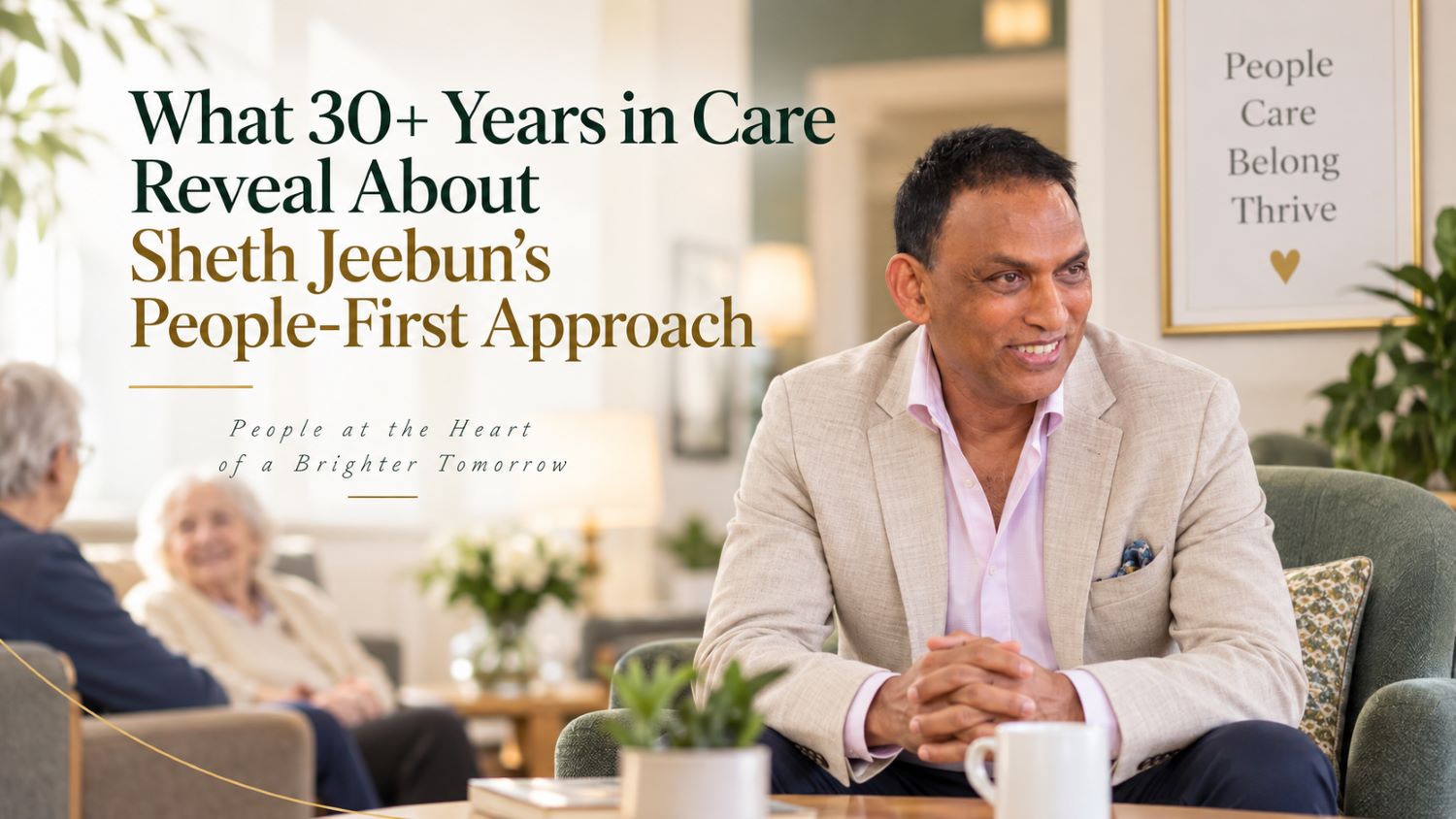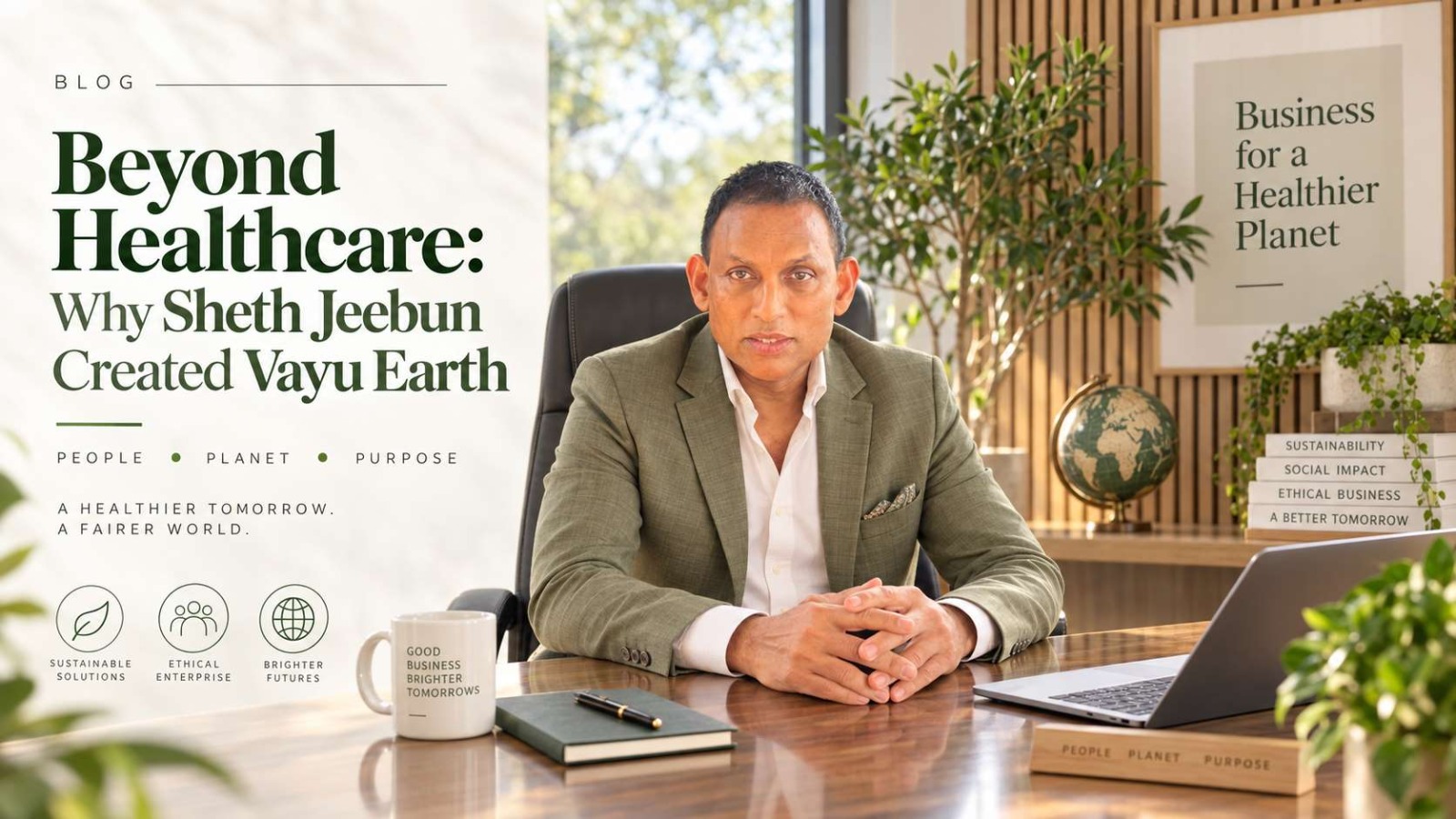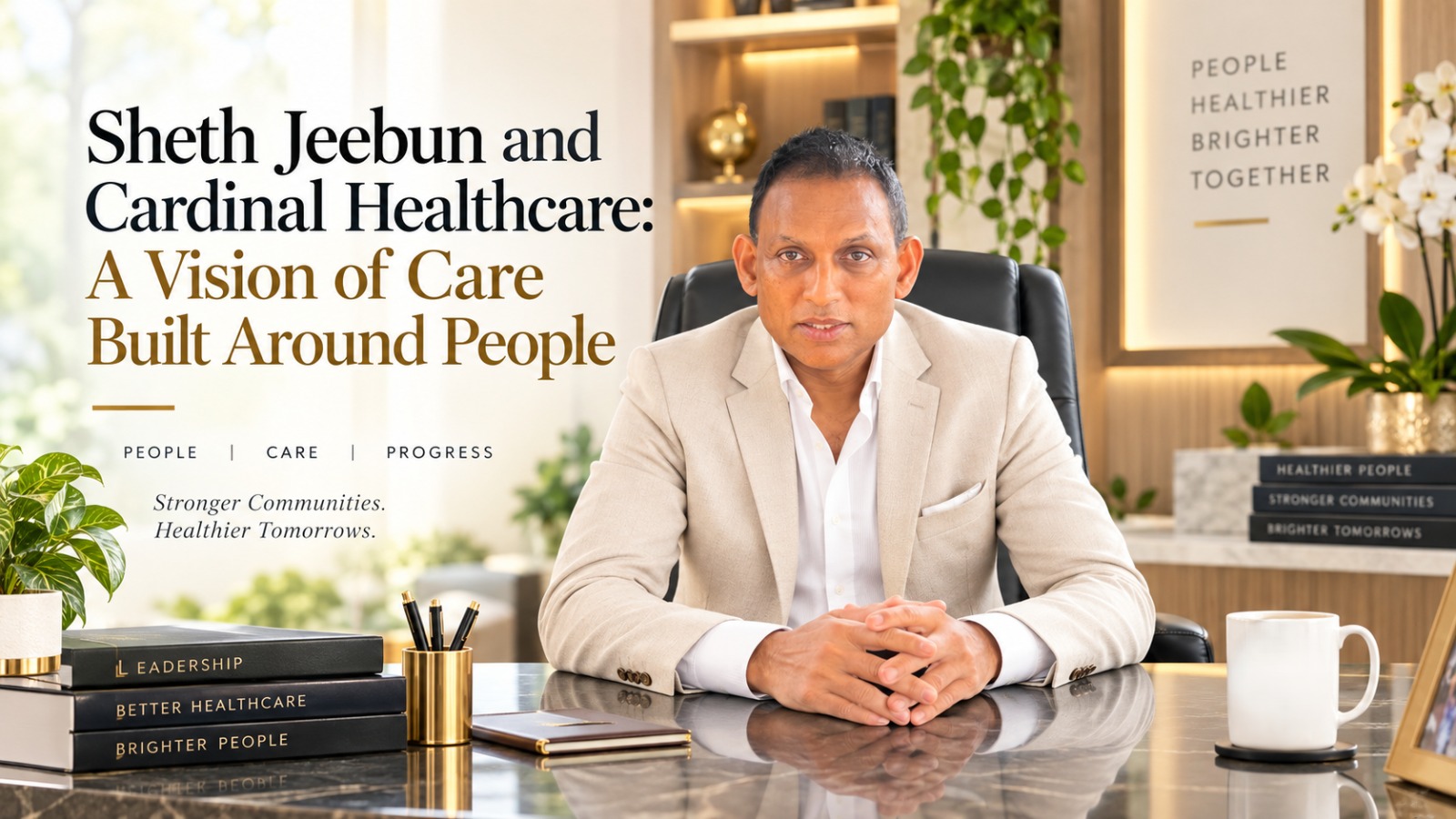
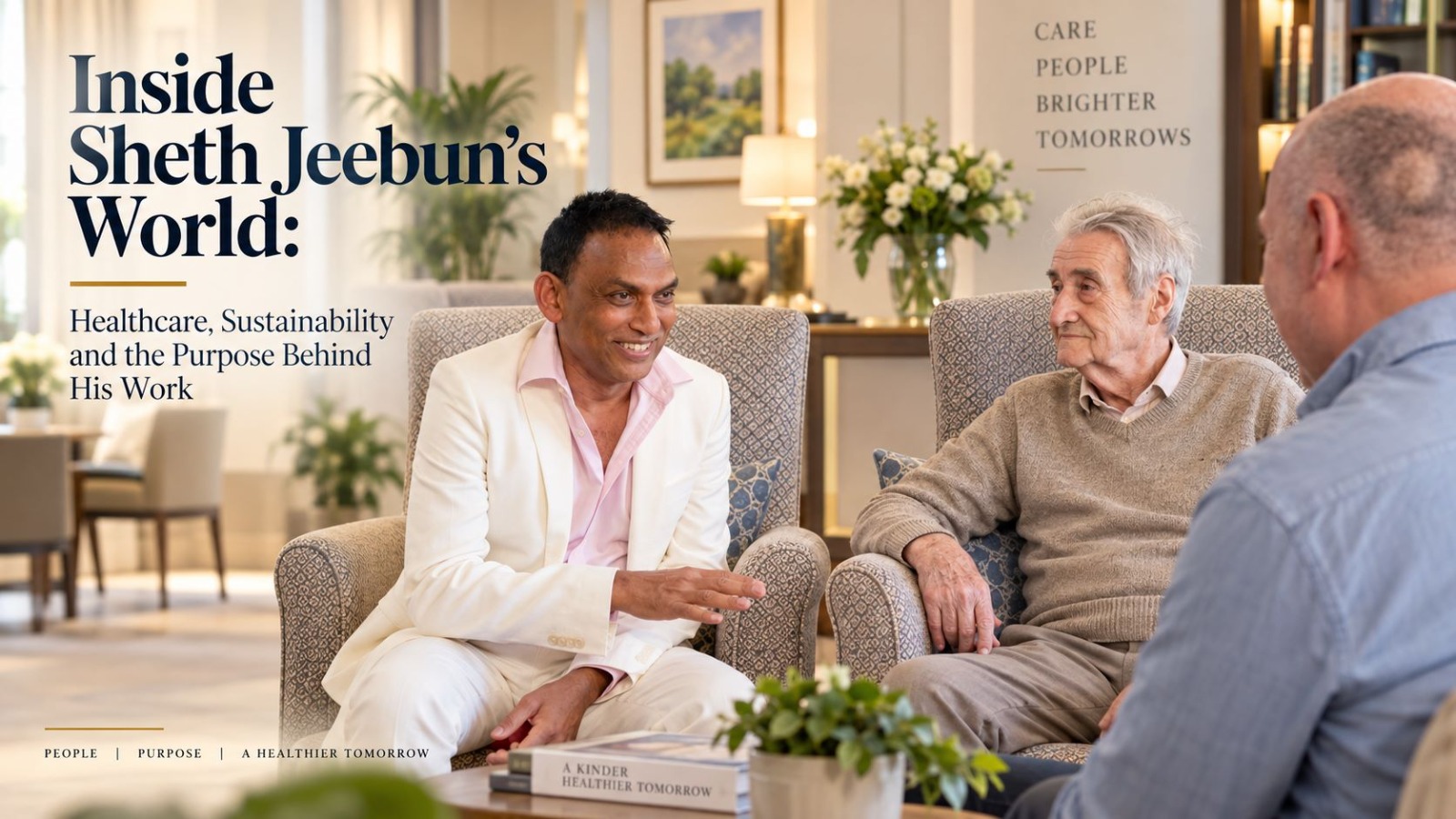
Healthcare and sustainable enterprise may appear to belong to completely different worlds. In Sheth Jeebun’s professional career, however, they are connected by one central idea: responsibility for the people affected by leadership decisions.
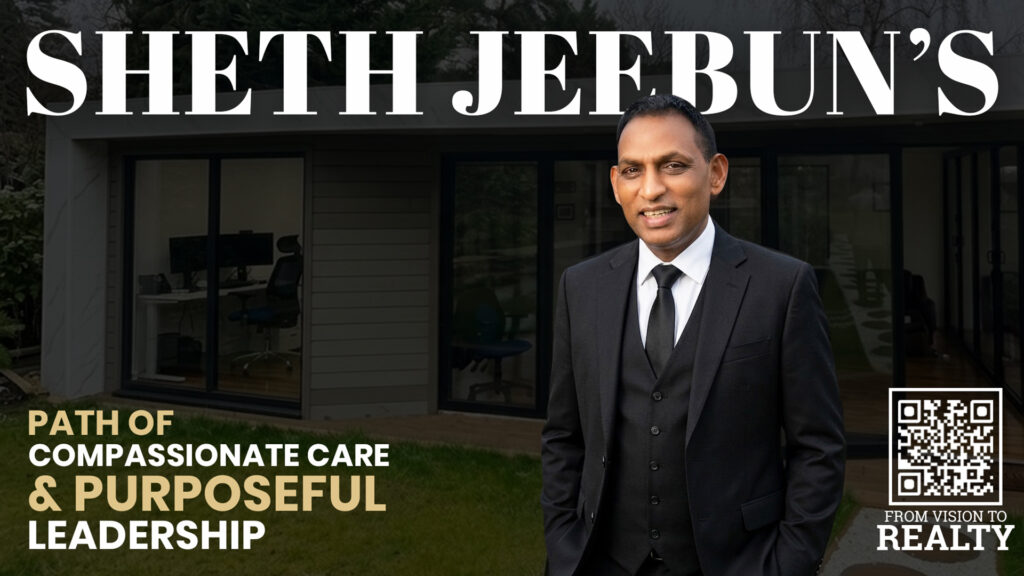
For more than three decades, Jeebun has developed experience across nursing, residential and elderly care, healthcare management, business strategy and socially responsible enterprise.
His professional profile is built around a progression from direct care to organisational leadership, followed by a wider interest in sustainability, community opportunity and responsible business.
Understanding this journey provides insight into how his leadership philosophy has evolved.
Starting With Direct Patient Care
Long before his work involved business strategy or sustainability, Sheth Jeebun worked as a registered nurse.
Beginning his healthcare career in the late 1980s gave him experience of the realities faced by patients and professionals.
Nursing required observation, communication, clinical responsibility and compassion.
The role also highlighted the importance of individual experience.
Two patients with similar medical conditions may have different fears, expectations and personal circumstances.
Treating them effectively therefore requires more than following the same routine.
This understanding of individual needs would later become relevant to Jeebun’s work in elderly care.
The Move Into Residential Care
As his career progressed, Jeebun increasingly became involved with residential and nursing services for older people.
This brought new responsibilities.
A nursing home is not simply a place where treatment takes place. For its residents, it is also their living environment.
That means quality needs to be considered across many areas.
Clinical support matters, but so do meals, activities, personal relationships, privacy, communication and the overall atmosphere of the home.
Jeebun’s work in developing and managing care facilities exposed him to this broader understanding of wellbeing.
Person-Centred Thinking
The concept of person-centred care is an important part of Jeebun’s professional philosophy.
This approach begins with a simple question: who is the person receiving care?
Their diagnosis is only part of the answer.
Residents have careers, families, hobbies, cultural backgrounds and individual routines.
These details can help staff provide more meaningful support.
Person-centred care allows organisations to move away from a one-size-fits-all model.
Instead, they can adapt care around the individual where appropriate.
For elderly residents and people living with dementia, this can support dignity, comfort and independence.
Cardinal Healthcare and the Business of Care
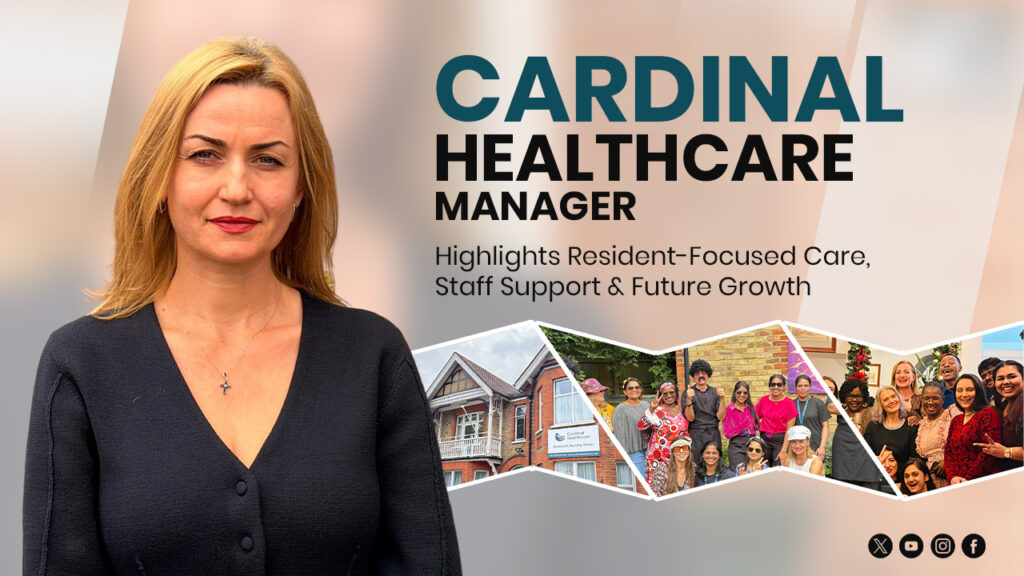
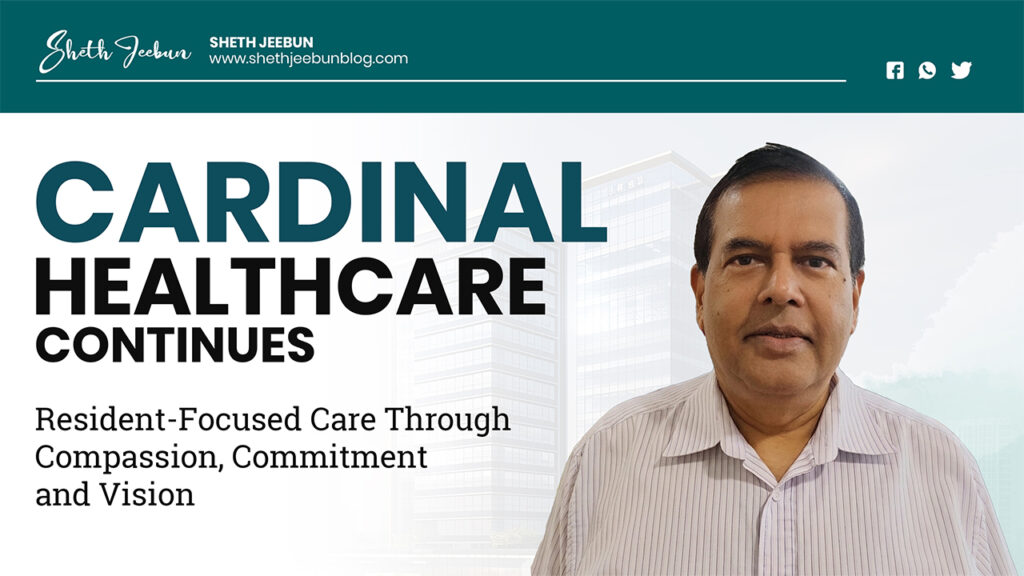
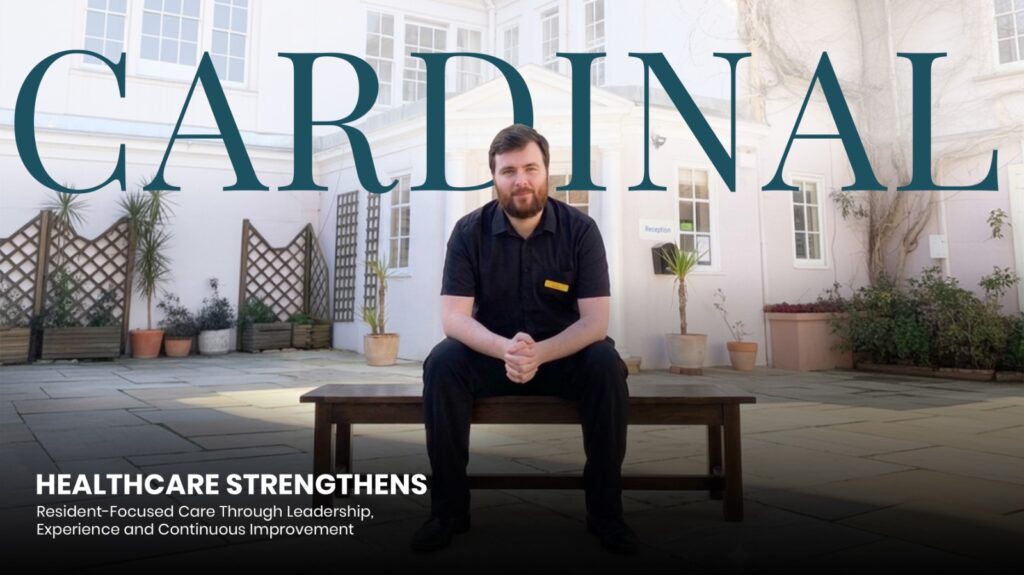
Sheth Jeebun’s professional career is closely connected with Cardinal Healthcare and the organisation’s earlier development within the UK care sector.
Leading a healthcare organisation requires a different mindset from many other industries.
Financial sustainability is necessary, but decisions must also be judged against their impact on residents.
This makes governance, quality assurance and staff development essential.
Growth is meaningful only when service standards can grow with it.
Jeebun’s leadership approach therefore combines business management with healthcare responsibility.
Creating Better Care Through Better Teams
People remain the most important resource in residential care.
Buildings, equipment and technology are valuable, but residents interact primarily with staff.
A carer who listens carefully can improve someone’s day.
A nurse who notices a small change may prevent a larger problem.
A manager who creates a supportive culture can influence the performance of an entire team.
For these reasons, workforce development is a major part of effective healthcare leadership.
Jeebun’s philosophy recognises the value of training, communication and accountability.
Employees need both skills and support if they are expected to provide consistently high-quality care.
The Challenge of Dementia Care
Dementia presents particular challenges for residents, families and care providers.
Memory changes can make unfamiliar environments difficult.
Communication may become more complicated, and residents may struggle to express what they need.
The solution is rarely found in a single standard process.
Individual knowledge becomes extremely important.
Staff who understand a resident’s history, preferences and routines may be better positioned to provide reassurance.
Activities can also become more meaningful when they connect with familiar experiences.
This reinforces the importance of personalised rather than purely procedural care.
Bringing Technology Into the Care Environment
The healthcare sector has become increasingly digital.
Modern care organisations now have access to tools that can support documentation, monitoring, communication and planning.
Sheth Jeebun has shown interest in healthcare modernisation and the potential for better digital systems.
The advantage of digital care management is not technology for its own sake.
It is the possibility of making relevant information easier to access while reducing inefficient administrative work.
When used well, technology can allow professionals to spend more time on meaningful care.
The most effective systems should therefore sit quietly behind the human relationship rather than dominate it.
A New Direction Through Vayu Earth
Jeebun’s interest in Vayu Earth expanded his work beyond healthcare.
The initiative focuses on sustainable products, traditional skills and ethical enterprise.
At first, this may appear to represent a major change of direction.
In reality, it reflects several principles already visible in his healthcare career.
The first is dignity.
The second is opportunity.
The third is long-term responsibility.
Sustainable business asks leaders to consider not just what they sell, but how products are created and who benefits from the process.
Women Artisans and Economic Empowerment
A notable part of the Vayu Earth vision involves opportunities for women artisans in rural communities.
Many artisans possess highly developed traditional skills but may have limited access to larger consumer markets.
Connecting handcrafted products with wider audiences creates the possibility of generating more sustainable income.
For women in particular, economic opportunities can have an impact that extends beyond individual earnings.
They may contribute to household stability, education and local economic activity.
The model also supports the continued relevance of traditional craftsmanship.
Sustainability as a Leadership Responsibility
Environmental responsibility has become an increasingly important part of modern business.
Consumers are more aware of waste, materials and production methods.
Businesses are therefore under growing pressure to consider the full impact of their operations.
For Jeebun, sustainability fits within the wider idea that leaders should think beyond immediate results.
Short-term decisions can create long-term consequences.
This applies to resource use, supply chains and community relationships just as it applies to healthcare quality.
Social Impact Beyond Commercial Activity
Sheth Jeebun’s broader profile also includes interest in philanthropy and community support.
This adds another dimension to his definition of responsible enterprise.
Traditional business thinking often separated commercial activity from charity.
Modern purpose-driven leadership increasingly treats social impact as part of an organisation’s identity.
Businesses employ people, purchase goods, occupy communities and influence economic activity.
Their effect on society therefore exists regardless of whether they actively think about it.
Responsible leadership means acknowledging that influence.
A Consistent Philosophy Across Different Sectors
The most revealing way to understand Jeebun’s career is not to view healthcare and sustainability as unrelated chapters.
They can instead be seen as extensions of the same philosophy.
In healthcare, residents should be treated with dignity.
In employment, staff should have opportunities to develop.
In ethical enterprise, artisans should receive opportunities to benefit from their skills.
In sustainability, environmental consequences should be considered before they become someone else’s problem.
These are all expressions of responsibility.
Looking at the Bigger Picture
Over more than 30 years, Sheth Jeebun’s career has evolved as the world around him has changed.
Healthcare regulation has become more sophisticated.
Dementia care has received greater attention.
Technology has transformed record keeping and communication.
Consumers have become more environmentally conscious.
Businesses are increasingly expected to demonstrate values beyond profitability.
Jeebun’s professional journey sits within these wider changes.
Conclusion
Inside Sheth Jeebun’s professional world, healthcare, sustainability and social impact are not as separate as they first appear.
His career began with nursing and the direct responsibility of caring for individuals.
It expanded into the challenge of creating organisations capable of delivering high-quality elderly care.
Through Cardinal Healthcare, person-centred support, staff development and organisational responsibility became important elements of his leadership identity.
Through Vayu Earth, those ideas expanded into sustainable enterprise, artisan communities and ethical production.
The sectors may differ, but the central principle remains remarkably similar.
Leadership decisions affect people.
The strongest organisations recognise that reality and make responsibility part of how they operate.
That connection between human care, strategic leadership and wider social purpose provides one of the clearest ways to understand Sheth Jeebun’s professional journey.