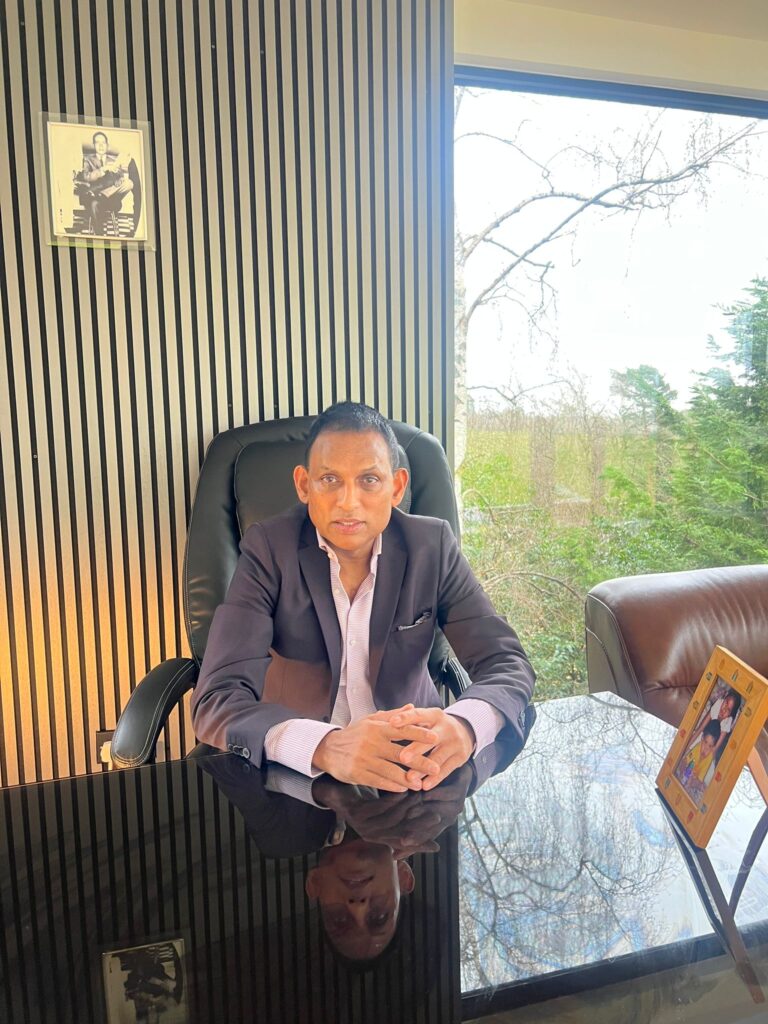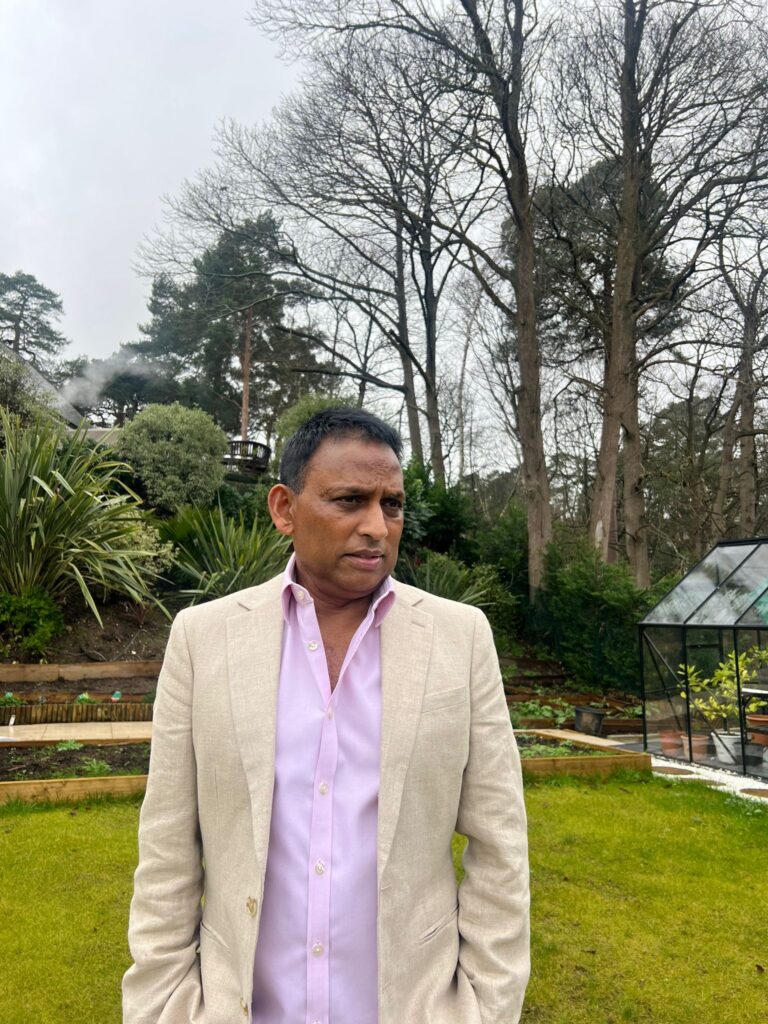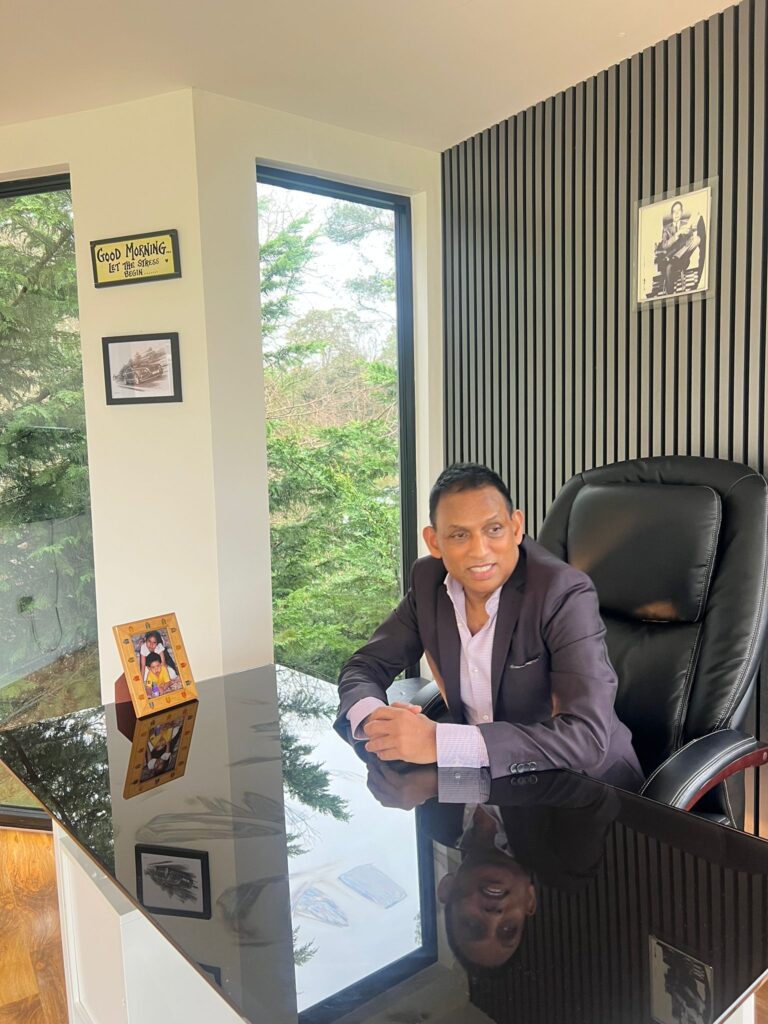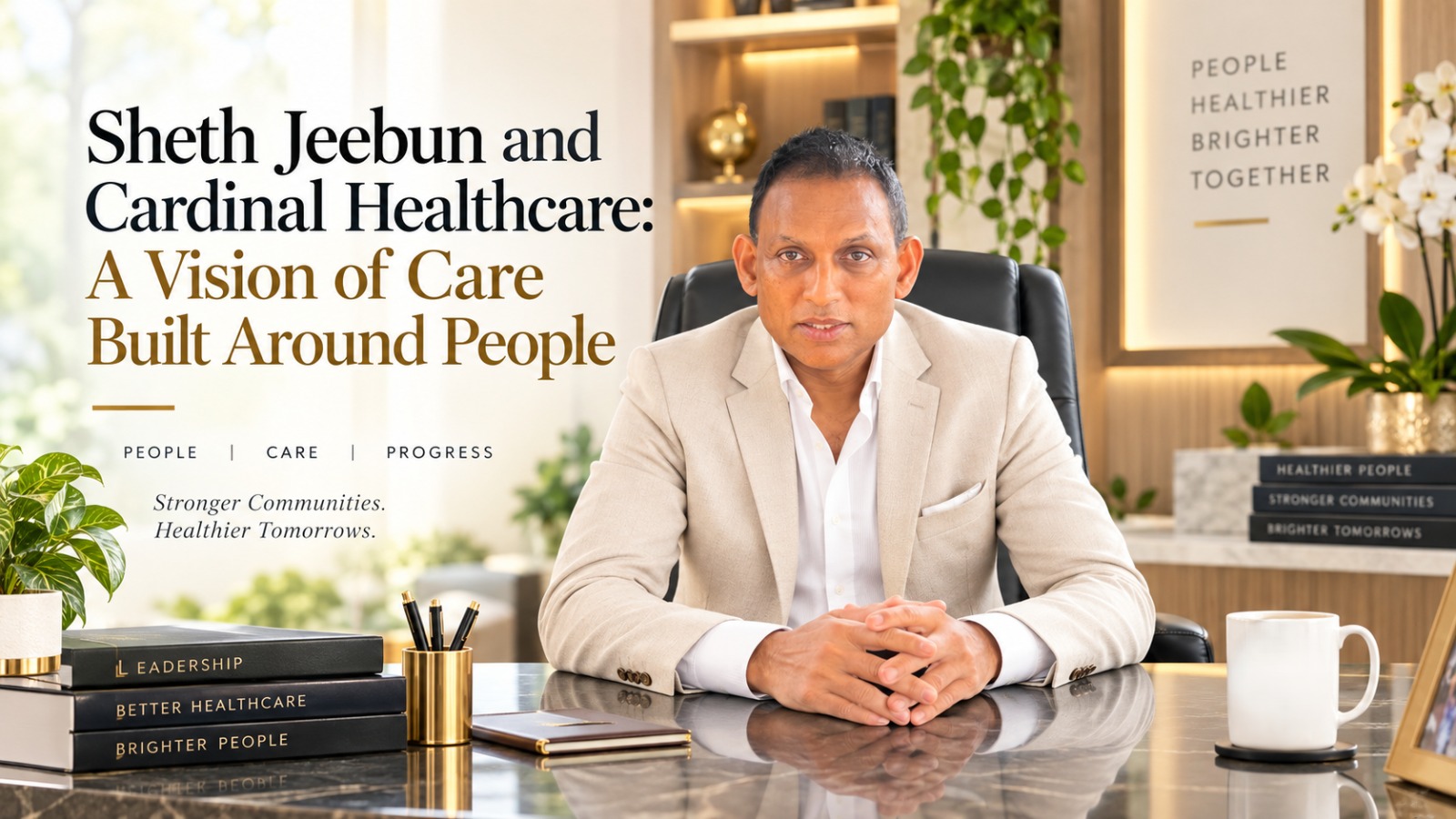
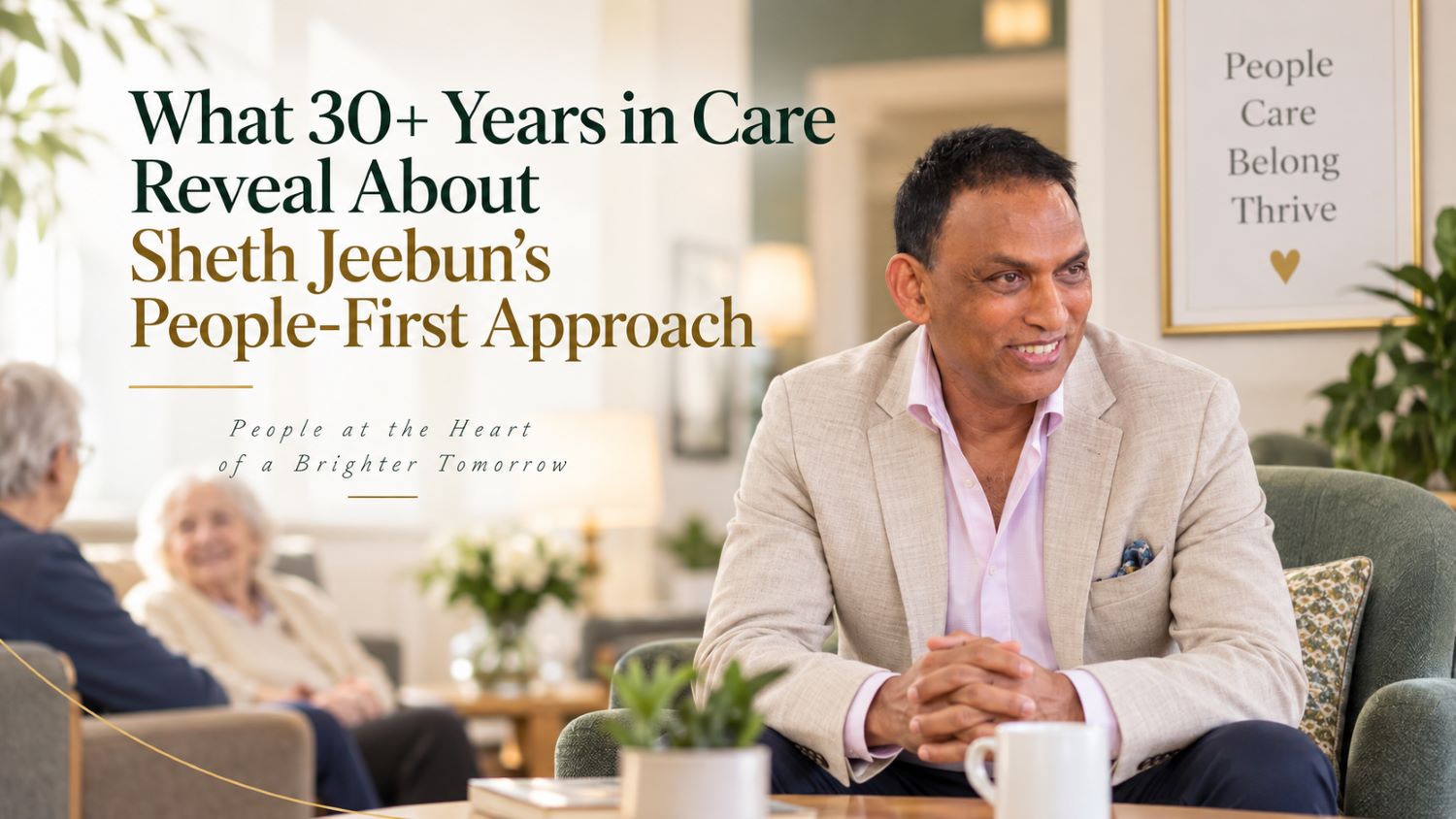
Thirty years in any industry creates experience.
Thirty years in healthcare creates something more complicated.
Healthcare professionals experience changing regulations, new technologies, staffing pressures and evolving expectations. More importantly, they interact with people during illness, ageing, uncertainty and loss.
For Sheth Jeebun, more than three decades working around nursing and elderly care have provided the foundation for a leadership approach frequently associated with compassion, individual dignity and responsibility.
Understanding that approach requires looking beyond the number of years and considering what long-term care experience actually teaches.
Care Is Personal Before It Is Operational
Care organisations need processes.
Without clear systems, healthcare services cannot remain safe or consistent.
However, healthcare becomes problematic when processes begin to matter more than people.
A resident does not experience a care home through organisational charts or policies.
They experience it through conversations, meals, daily routines, personal support, relationships and whether someone notices when something is wrong.
This is one reason Jeebun has repeatedly placed compassion at the centre of his public discussions about elderly care.
In a previous interview, he described care as something driven by compassion and emphasised the importance of aspiring beyond minimum standards.
Dignity Is Created Through Everyday Decisions
Dignity can sound like an abstract healthcare principle until it is translated into everyday life.
For an elderly resident, dignity may involve choosing what to wear.
It may mean knocking before entering a room.
It may mean listening without rushing.
It may mean respecting cultural preferences or helping someone continue doing things independently when they are able.
The quality of long-term care is often shaped by hundreds of small interactions rather than one major event.
A leadership culture therefore needs to make these interactions important.
If staff understand that respectful communication is as meaningful as operational efficiency, person-centred care becomes easier to embed throughout an organisation.
Experience Changes the Way Leaders See Staff
Long-term experience also teaches leaders that care quality depends heavily on employees.
A beautifully designed care home cannot compensate for a disengaged or unsupported team.
Care workers spend significant time with residents. They notice changes in behaviour, appetite, mobility and mood. They communicate with families and often provide reassurance during emotionally difficult situations.
This means staff development is not separate from resident wellbeing.
The two are connected.
Public information associated with Cardinal Healthcare describes Jeebun’s current care philosophy in terms of experienced professional teams, personalised support, dignity and meaningful environments.
The implication is straightforward: better care requires people who are prepared, supported and clear about the standards expected of them.
Long-Term Care Requires Patience
Healthcare organisations are frequently measured through outcomes and targets.
Residents, however, experience care in real time.
Older people may need longer conversations.
Someone living with dementia may repeat questions or become anxious when routines change.
A resident facing declining mobility may need encouragement rather than pressure.
These situations require patience.
They also require staff to understand that efficiency should not mean making residents feel rushed.
A people-first culture therefore depends partly on giving staff the awareness and organisational support needed to treat residents as individuals.
Families Are Part of the Experience
Residential and nursing care does not affect residents alone.
Family members often experience uncertainty, guilt, concern or fear when a relative moves into a care environment.
Good communication can therefore make an enormous difference.
Families need realistic information.
They need to know who they can speak with.
They need confidence that changes in a loved one’s wellbeing will be recognised and communicated appropriately.
Jeebun’s long-term involvement in elderly care provides a perspective in which the relationship between residents, care teams and families cannot easily be separated.
Each group contributes to the overall care experience.
When Healthcare Leadership Becomes Difficult
People-first leadership sounds simple when everything is going well.
Its real test comes under pressure.
The UK adult social-care sector has faced challenges relating to funding, workforce capacity, regulation and increasing complexity of care needs.
Jeebun has publicly discussed these pressures, including the difficulty of balancing rising expectations and costs against available resources.
This creates one of healthcare leadership’s biggest tensions.
Leaders need to manage organisations sustainably without allowing financial or operational pressure to remove the human focus of care.
That requires constant judgement rather than a single policy.
What Experience Cannot Replace
Thirty years of experience is valuable, but experience alone does not guarantee quality.
Healthcare continues to change.
Leaders need to remain open to evidence, regulation, professional development, feedback and continuous improvement.
This is especially important because modern care expectations are different from those of previous decades.
Today’s residents and families expect greater transparency, involvement and personalisation.
Responsible leadership therefore combines experience with a willingness to learn.
People-First Care as an Organisational Culture
The strongest version of person-centred care cannot depend on one leader.
It needs to exist throughout the organisation.
Recruitment, induction, supervision and management all influence whether employees understand what good care should feel like.
Leaders create the conditions.
Teams translate those conditions into daily experiences.
Residents ultimately determine whether those experiences feel respectful and supportive.
This makes people-first leadership a collective responsibility.
Why Sheth Jeebun’s Background Matters
Sheth Jeebun’s nursing background provides relevant context for the philosophy associated with his later healthcare work.
He did not enter the sector solely as an investor observing care from a distance.
His career developed from professional nursing into care operations and organisational leadership.
That type of progression can give leaders insight into both sides of healthcare: the experience of delivering care and the responsibility of organising it.
The two perspectives are not always easy to reconcile.
But effective care leadership requires both.
Final Thoughts
More than three decades in healthcare can teach many lessons, but perhaps the most enduring is that care remains fundamentally human.
Technology will change.
Regulation will change.
Facilities will improve.
Business models will evolve.
But residents will continue to need safety, dignity, communication, compassion and meaningful relationships.
Those principles remain central to the people-first healthcare philosophy publicly associated with Sheth Jeebun.
And in an increasingly complex care environment, keeping those fundamentals visible may be one of leadership’s most important responsibilities.