Good elderly care is about far more than completing daily tasks or responding to medical needs. For older people living in residential or nursing environments, quality of life can also depend on being listened to, maintaining meaningful choices and receiving support that respects who they are as an individual.
This is the principle behind person-centred care.
In the UK, person-centred care is not simply a desirable approach. Care Quality Commission guidance makes clear that care and treatment should be appropriate, meet individual needs and reflect personal preferences. People should also be involved in decisions about their care wherever possible.
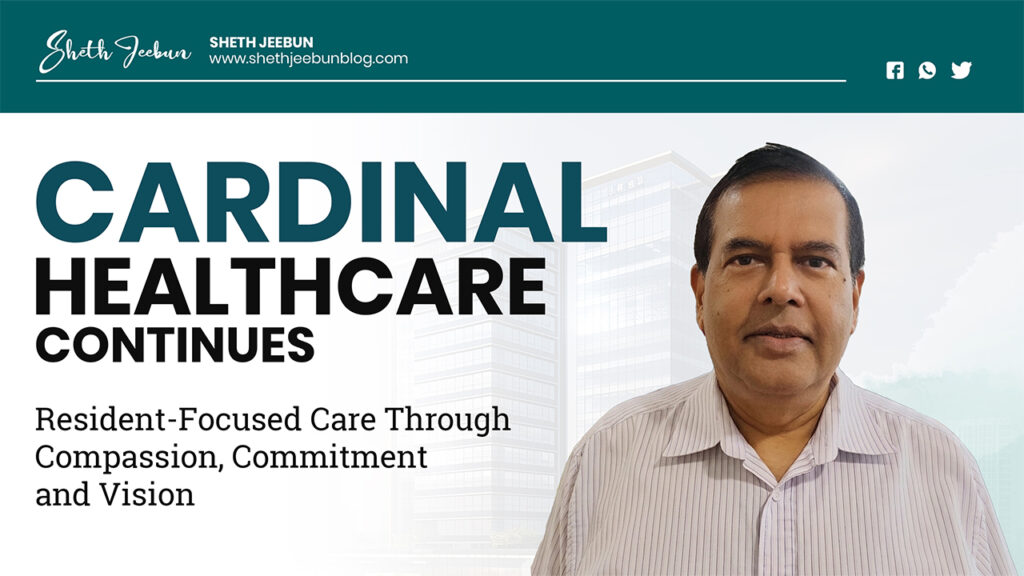
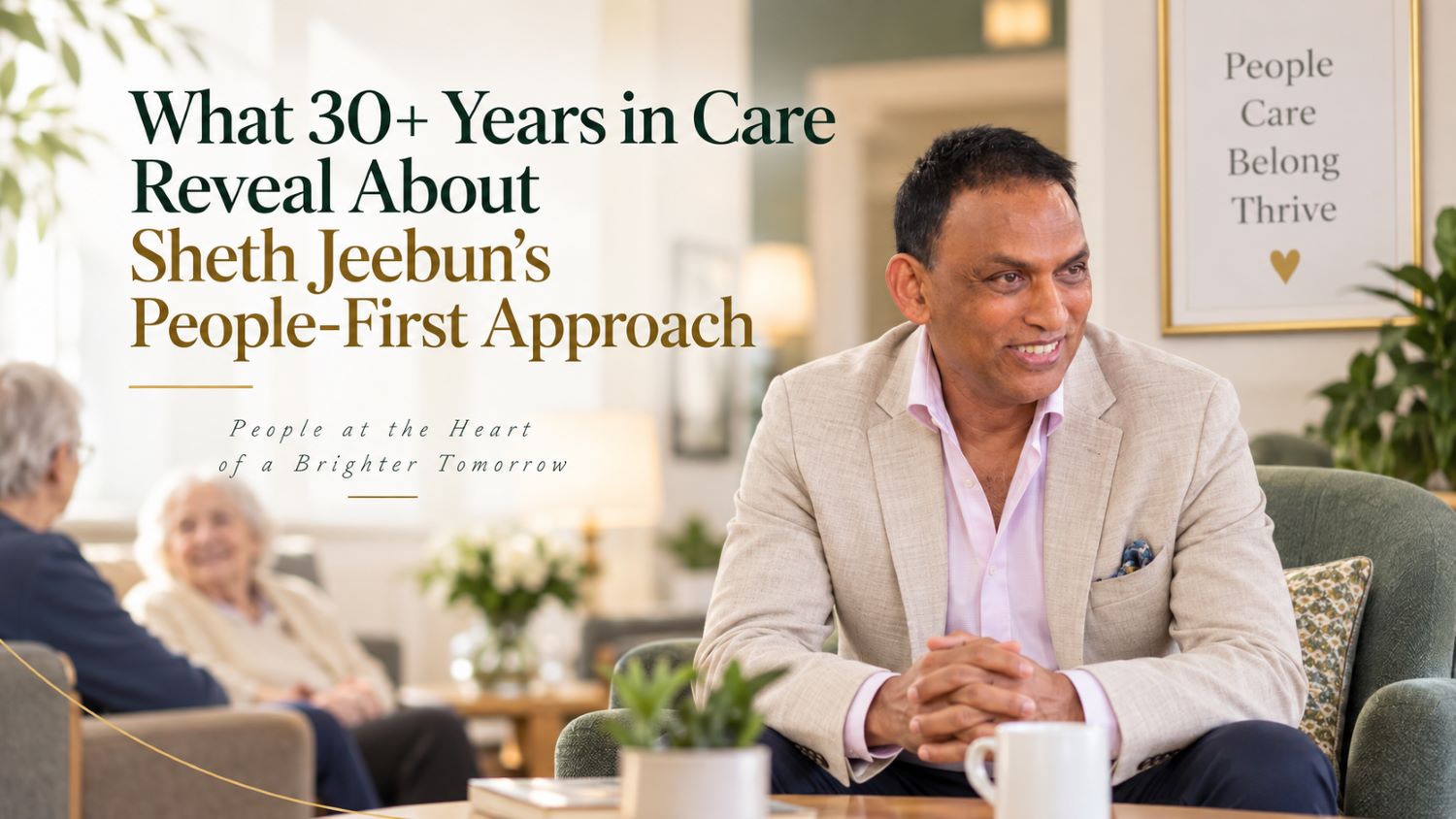
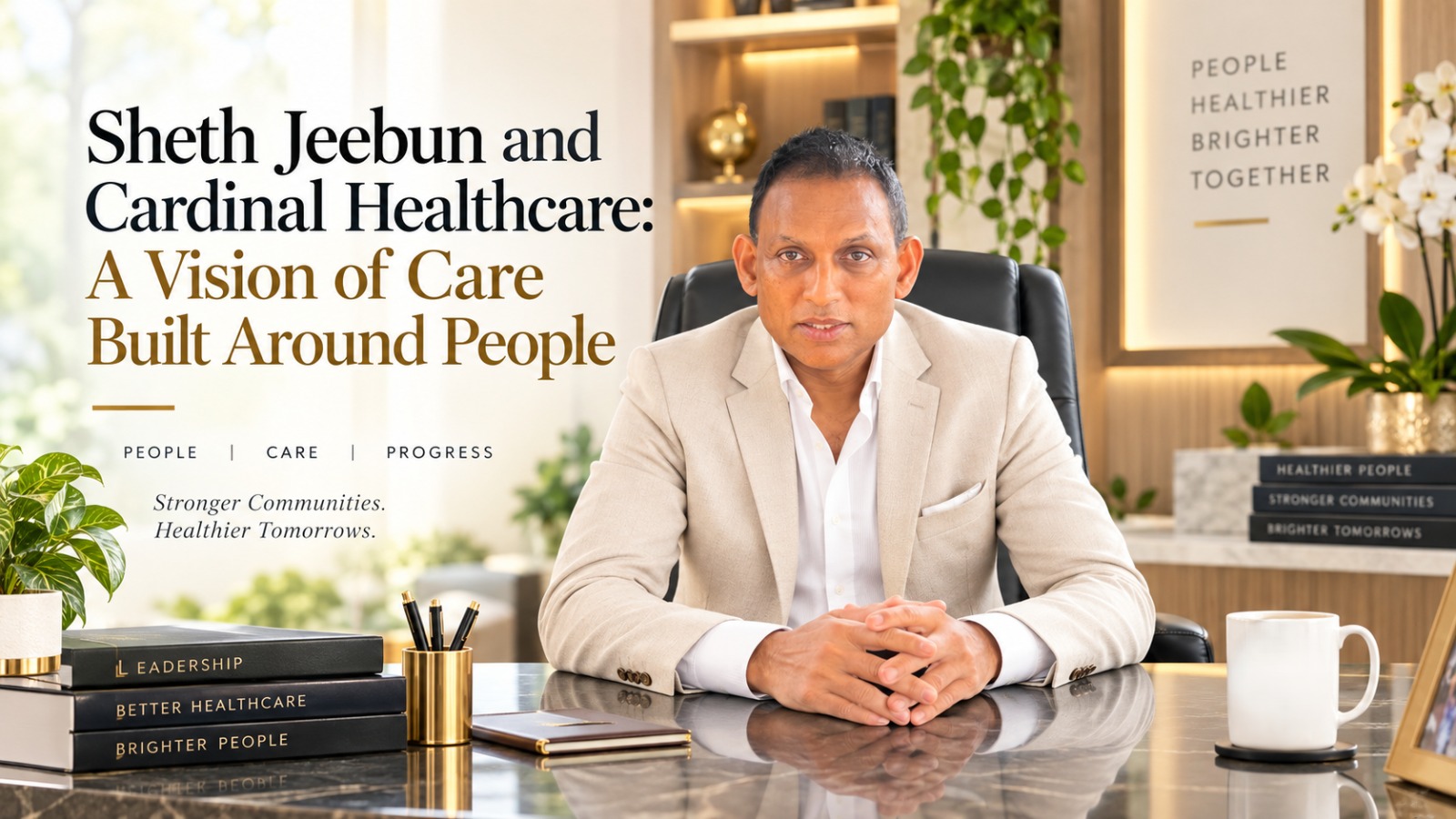
For experienced healthcare leaders such as Sheth Jeebun, whose work has included decades of involvement in care and elderly-care services, these principles sit at the heart of responsible care leadership. His public portfolio highlights compassionate leadership, person-centred elderly care and the importance of creating supportive environments for older people.
What Does Person-Centred Elderly Care Mean?
Person-centred care starts by recognising that no two residents are exactly alike.
Two people of the same age may have completely different health requirements, daily routines, cultural backgrounds, interests and expectations. Effective care therefore needs to consider the whole person rather than treating residents as a collection of medical conditions.
This can include understanding someone’s preferred routine, how they like to communicate, the activities that matter to them and how much independence they want to maintain.
The goal is not simply to provide care for a resident. It is to involve the resident in shaping that care.
Dignity Should Remain at the Centre of Care
Moving into a care environment can represent a significant change in someone’s life. A person may suddenly need support with activities they previously managed independently.
How that support is delivered matters.
Respectful communication, privacy and sensitivity can help protect dignity during everyday interactions. Even apparently small decisions—such as what someone wants to wear, when they prefer to eat or how they spend their afternoon—can contribute to a sense of identity and control.
CQC standards separately emphasise dignity and respect as fundamental elements of regulated care.
For care providers, this means quality should be measured not only by whether tasks are completed, but also by how the resident experiences those tasks.
Supporting Independence Wherever Possible
Person-centred care does not automatically mean doing everything for someone.
In many situations, good care involves helping people continue doing as much as they safely can for themselves.
That might mean supporting a resident to choose their own clothing, participate in activities, move around safely or remain involved in personal decisions.
Maintaining independence can support confidence and help residents retain a stronger connection with their previous routines.
CQC guidance specifically recognises the importance of considering people’s strengths, independence, personal history, interests and aspirations when planning care.
Listening to Residents and Families
Communication is another essential part of good elderly care.
Residents should have opportunities to express what is working for them and what they would like to change. Where appropriate, relatives, carers or lawful representatives may also contribute valuable information.
Families often know important details about a person’s history, preferences and routines. Their involvement can therefore help care teams build a more complete understanding of the individual.
However, person-centred care ultimately means keeping the resident themselves at the centre of decisions whenever they are able to participate.
What Strong Care Leadership Looks Like
Delivering person-centred care consistently requires more than good intentions from individual carers.
Leadership determines whether the wider organisation creates the right conditions for good care.
Strong care leadership should support:
- Clear and regularly reviewed care plans
- Appropriate staff training
- Respectful communication
- Safe staffing and operational systems
- Meaningful resident involvement
- Feedback from families and residents
- Continuous improvement rather than a purely compliance-led approach
Leaders also need to make sure staff feel supported enough to provide thoughtful care rather than simply moving from one task to the next.
This is where clinical experience can be particularly valuable. Leaders who understand frontline care can often appreciate how staffing, communication, procedures and management decisions affect residents in everyday situations.
A More Human Approach to Elderly Care
The future of elderly care should not be defined only by buildings, technology or operational efficiency.
Those elements matter, but ultimately care is delivered from one person to another.
Sheth Jeebun’s wider healthcare work reflects a leadership philosophy centred on compassion, responsibility and improving quality of life for elderly communities. His public portfolio describes initiatives focused on specialist support, nurturing care environments and maintaining independence and purpose.
These priorities align closely with the broader direction of person-centred care in the UK.
As expectations of care continue to develop, successful providers will need to combine professional standards with a deeper understanding of the individuals they support.
Final Thoughts
Person-centred elderly care begins with a simple idea: every resident remains an individual.
Their history, preferences, dignity, relationships and choices should continue to matter regardless of how much support they require.
For care-home operators and healthcare leaders, creating this kind of environment requires good governance, skilled teams and a culture in which residents are genuinely heard.
When these elements work together, elderly care can become more than a service. It can provide older people with a safer, more respectful and more meaningful place to live.