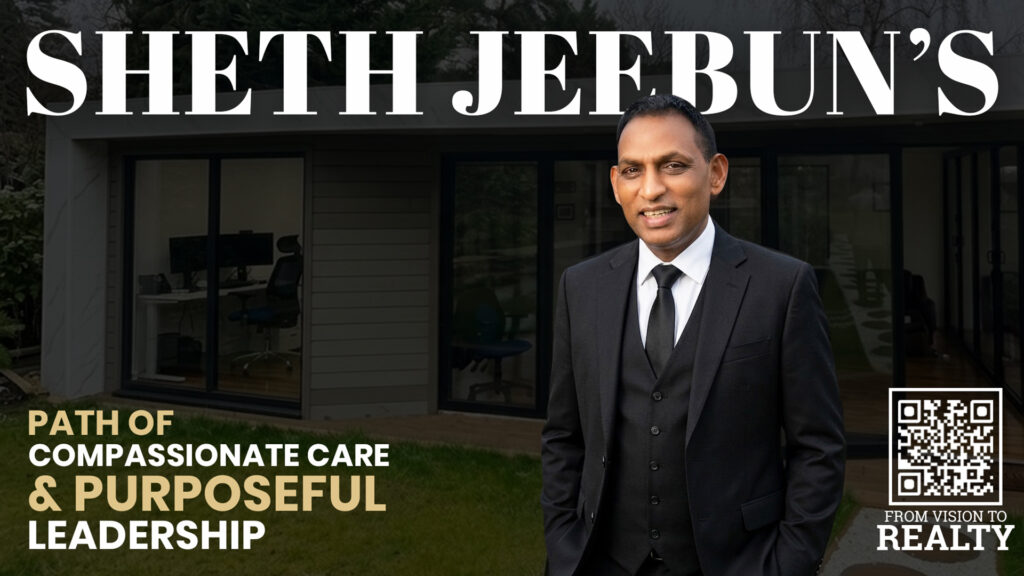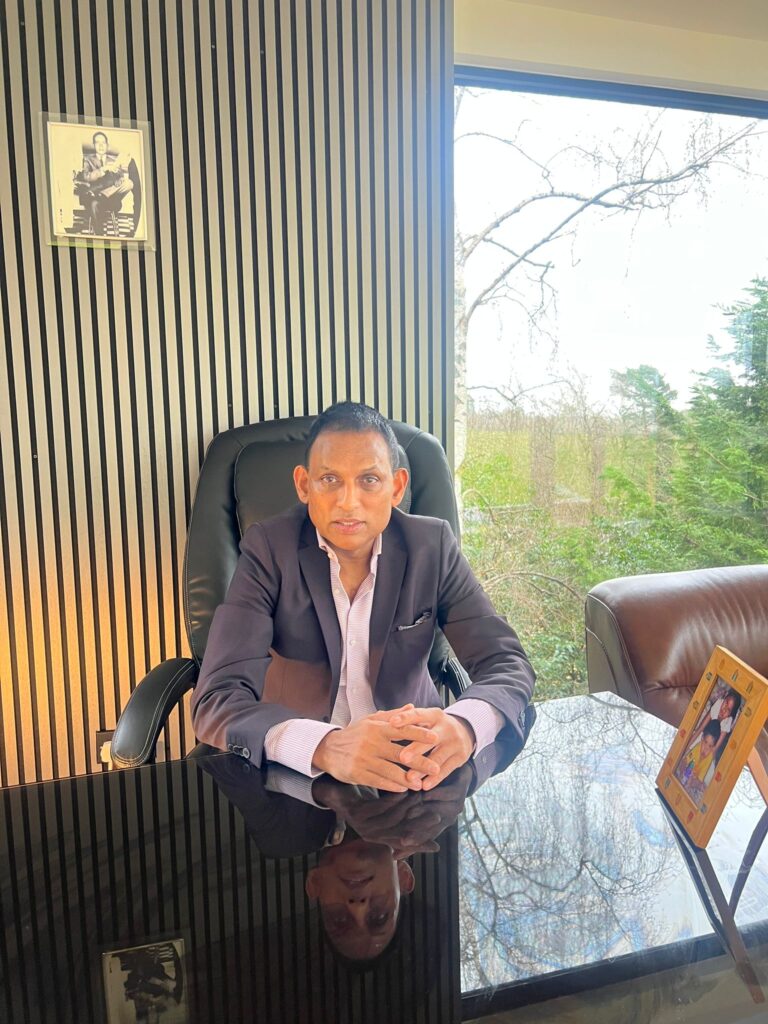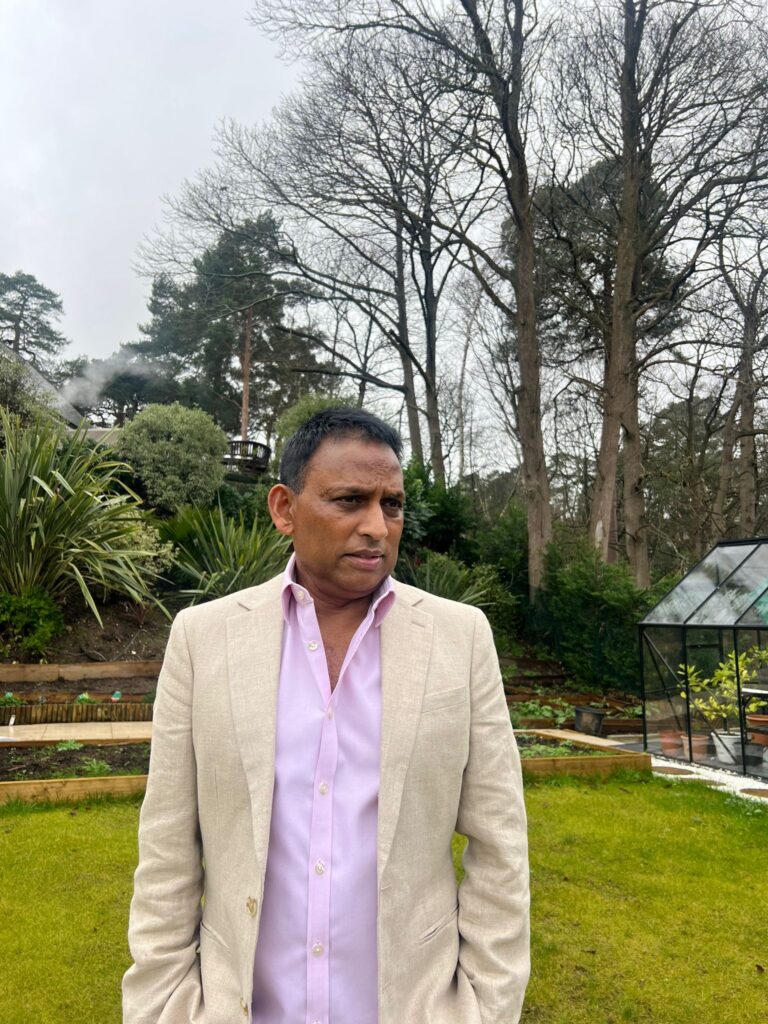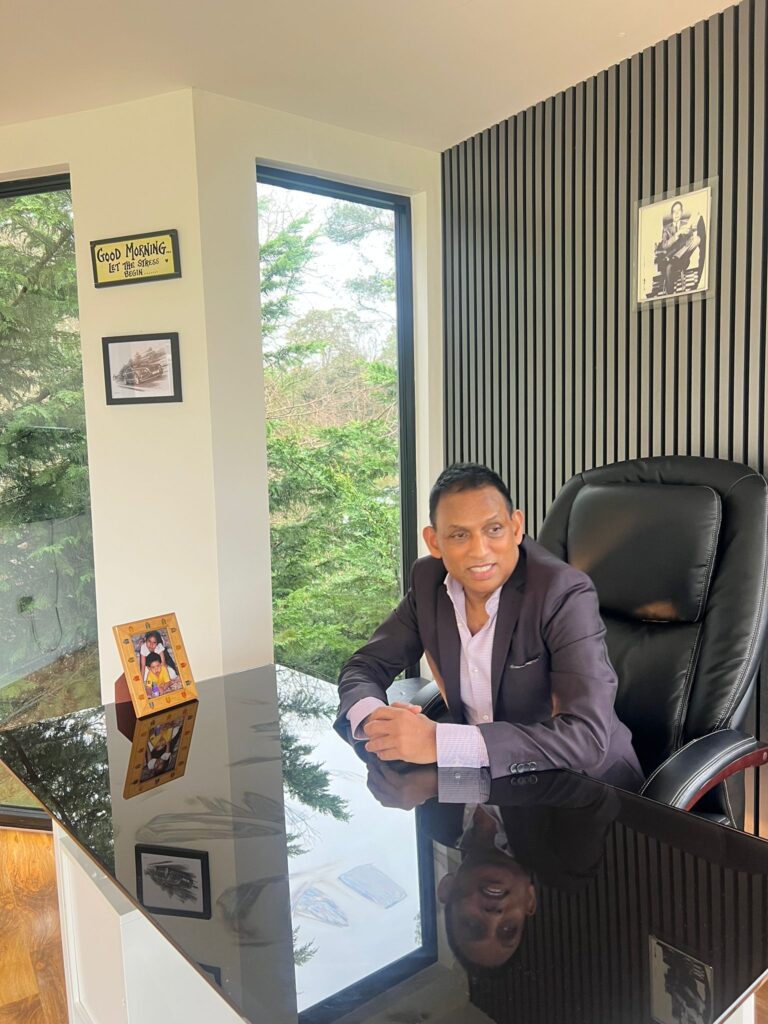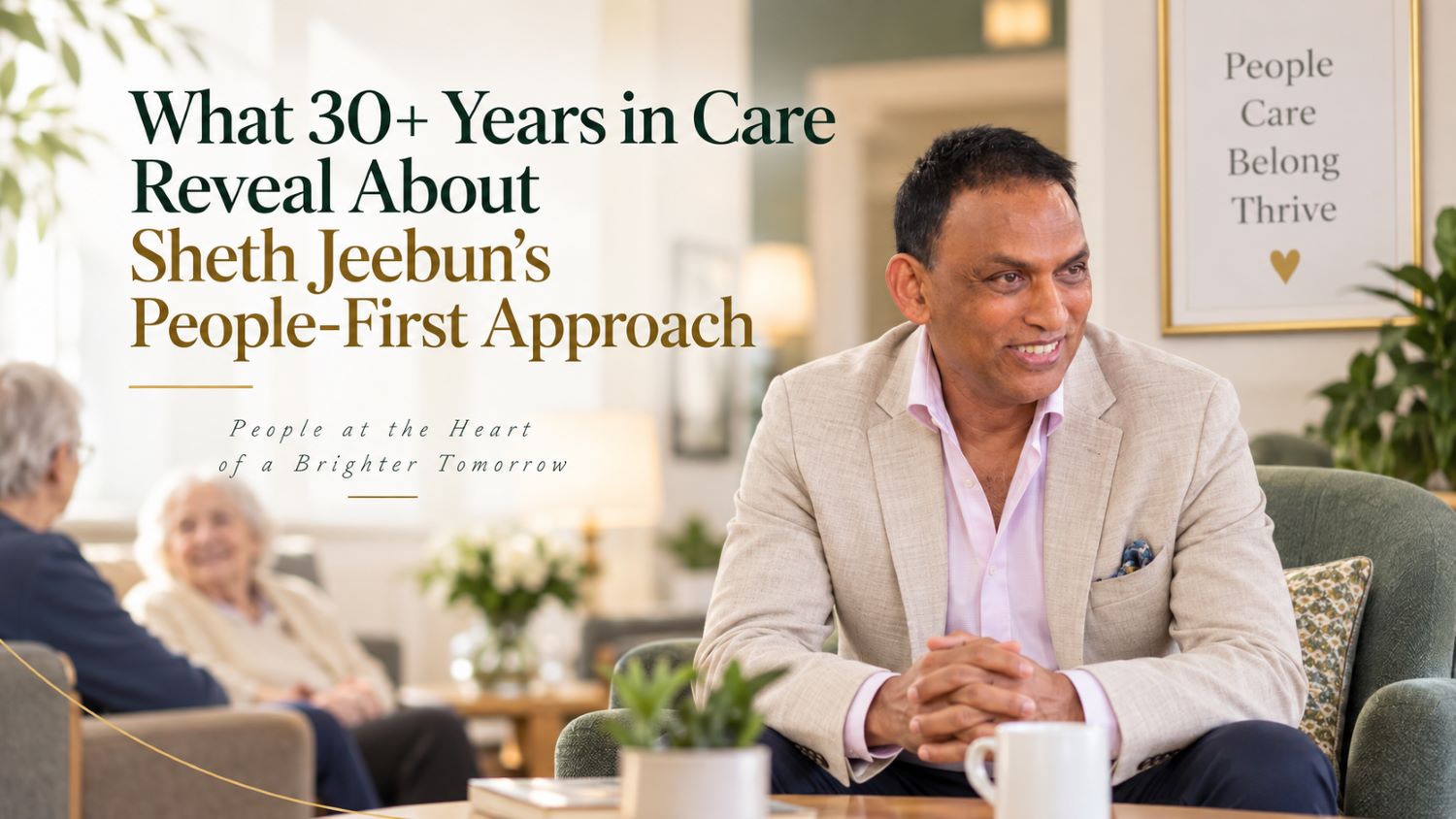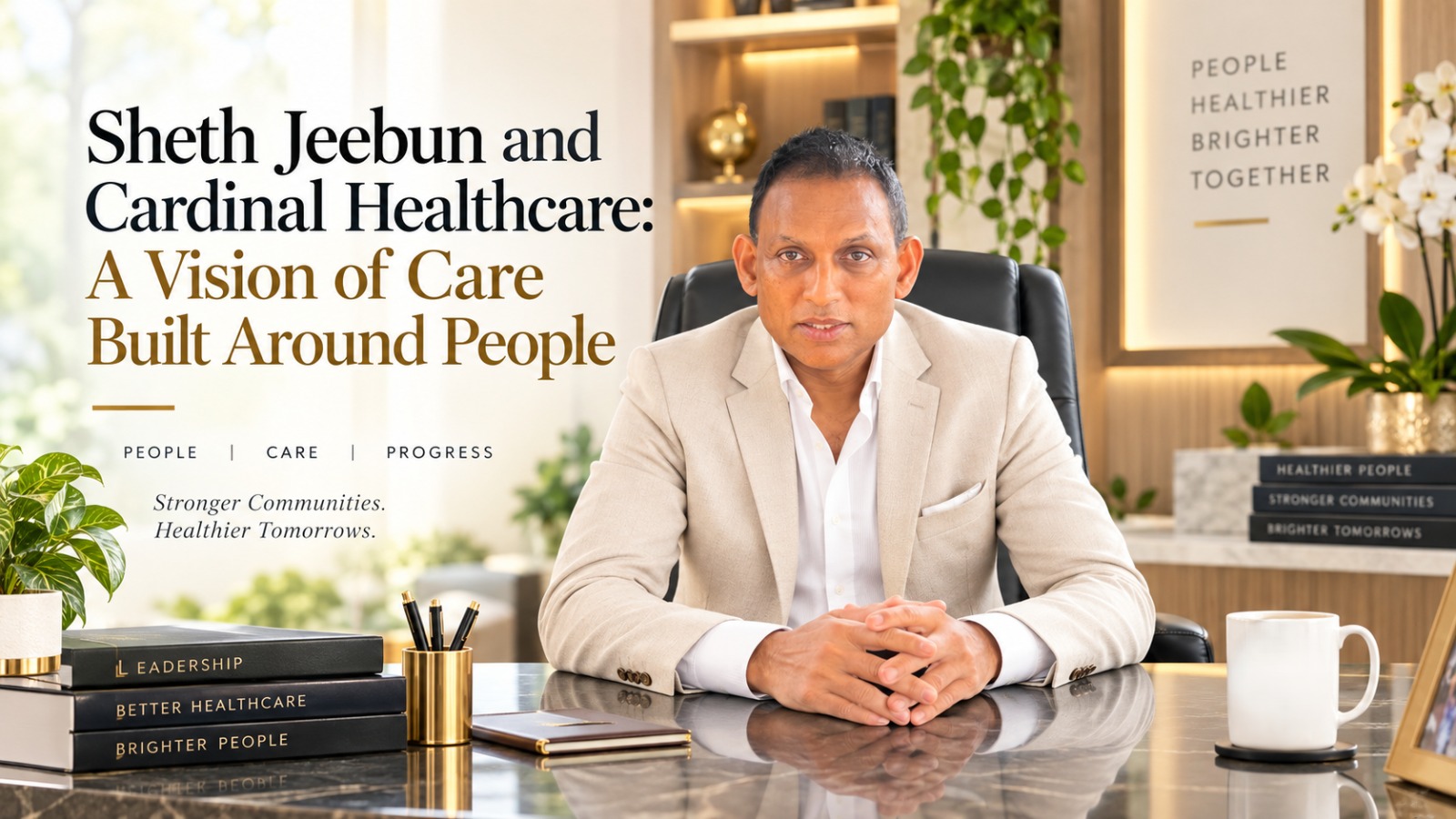
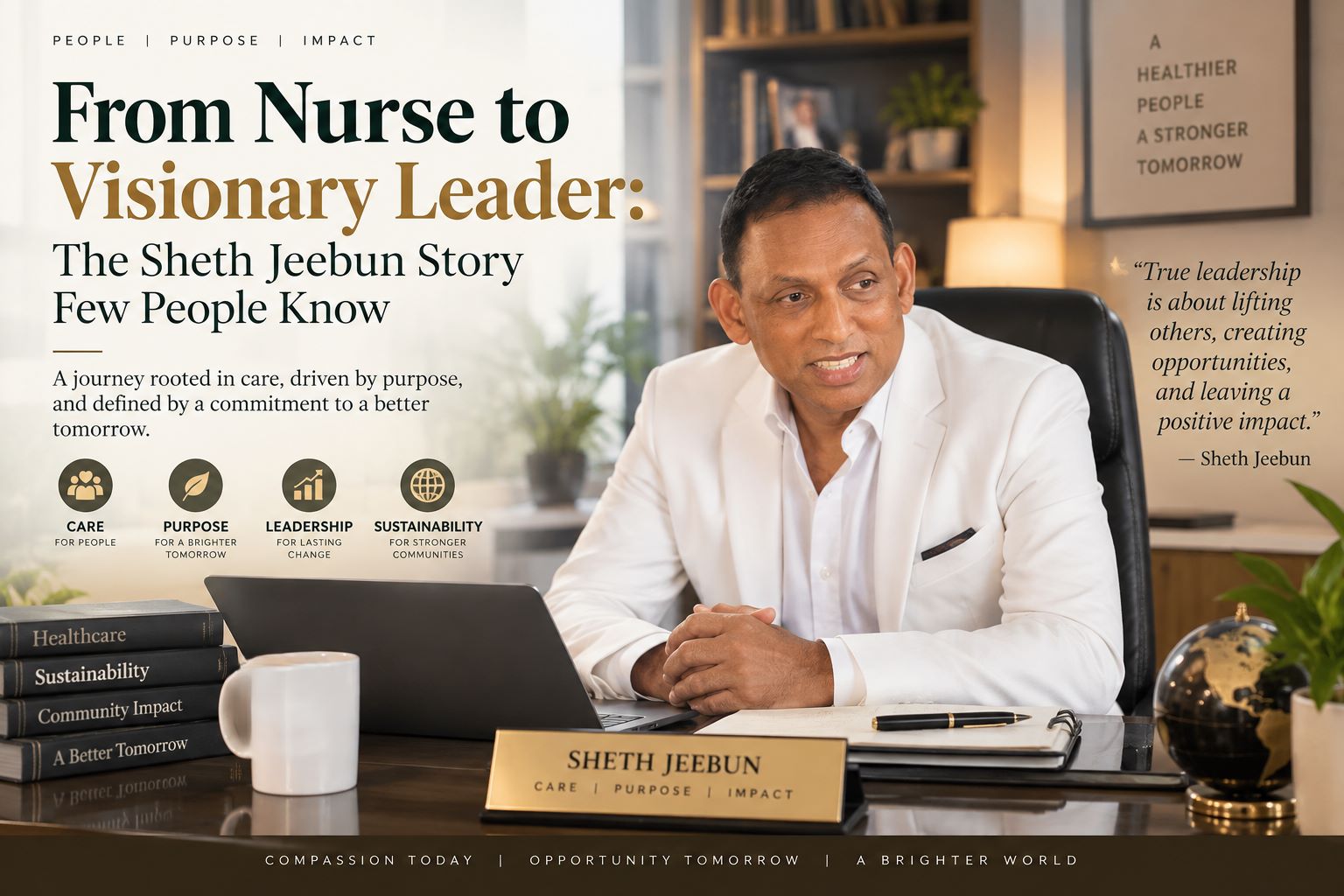
A successful leadership career does not always begin in a boardroom. Sometimes, it begins beside a patient, listening carefully, understanding individual needs and learning that responsibility can directly influence another person’s quality of life. This is an important way to understand the professional journey of Sheth Jeebun.
Over more than three decades, Sheth Jeebun has developed a career spanning nursing, elderly care, healthcare management, organisational leadership, sustainable enterprise and community-focused business. His progression from frontline healthcare into senior leadership provides the foundation for a professional philosophy centred on dignity, responsibility, compassion and long-term thinking.
Rather than separating business leadership from human values, Jeebun’s work has consistently brought the two together. His career demonstrates how experience gained in direct care can influence decisions involving employees, residents, organisations, communities and sustainable enterprise.
Where the Journey Began
Sheth Jeebun began working as a registered nurse in the late 1980s. This was an important stage because it placed him directly in an environment where care was not an abstract idea. It involved real people, real families and real responsibilities.
Working with patients allowed him to see that effective healthcare depends on much more than clinical knowledge. Communication, patience, dignity and trust can significantly influence how people experience care.
These lessons became particularly relevant as his work increasingly focused on elderly people. Older residents may have complex medical needs, mobility difficulties, dementia, emotional concerns or reduced independence. Meeting those needs requires professionals to understand the person behind the condition.
Jeebun’s early nursing career therefore provided a practical foundation for the leadership principles that would later influence his work in residential and specialist care.
Moving From Clinical Work Into Leadership
As his professional experience increased, Jeebun moved beyond direct nursing into management and operational responsibility.
This transition involved a new set of challenges. Instead of being responsible only for individual clinical tasks, management required him to think about entire care environments.
That included staffing, training, quality standards, compliance, resident safety, communication with families, financial management and organisational development.
Jeebun became involved in establishing and managing multiple nursing and residential care facilities. Through this work, he gained experience in creating systems designed to support residents while also enabling staff to perform effectively.
The transition from nurse to healthcare leader did not mean leaving the principles of nursing behind. Instead, those principles became part of a broader management philosophy.
The Importance of Person-Centred Care
One of the strongest themes associated with Sheth Jeebun’s professional approach is person-centred care.
A residential care environment should not operate as though every resident has the same needs. People arrive with different personalities, backgrounds, routines, preferences, cultures and life experiences.
Person-centred care recognises these differences.
It means understanding how someone prefers to spend their day, what makes them comfortable, which activities they enjoy and how they want to maintain relationships with family and friends.
This approach becomes especially important for people living with dementia.
Dementia can affect memory, communication, confidence and behaviour. Residents may experience confusion or anxiety, particularly when their environment feels unfamiliar.
Consistent routines, sensitive communication and familiar experiences can therefore become important elements of support.
Jeebun’s healthcare philosophy places dignity and individual identity alongside safety and clinical care.
Cardinal Healthcare and Organisational Leadership
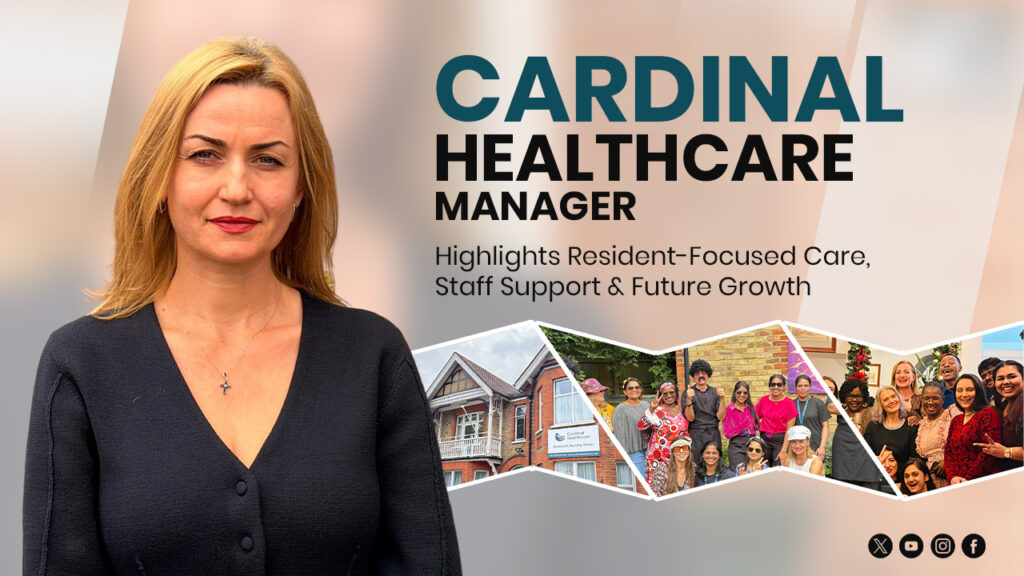
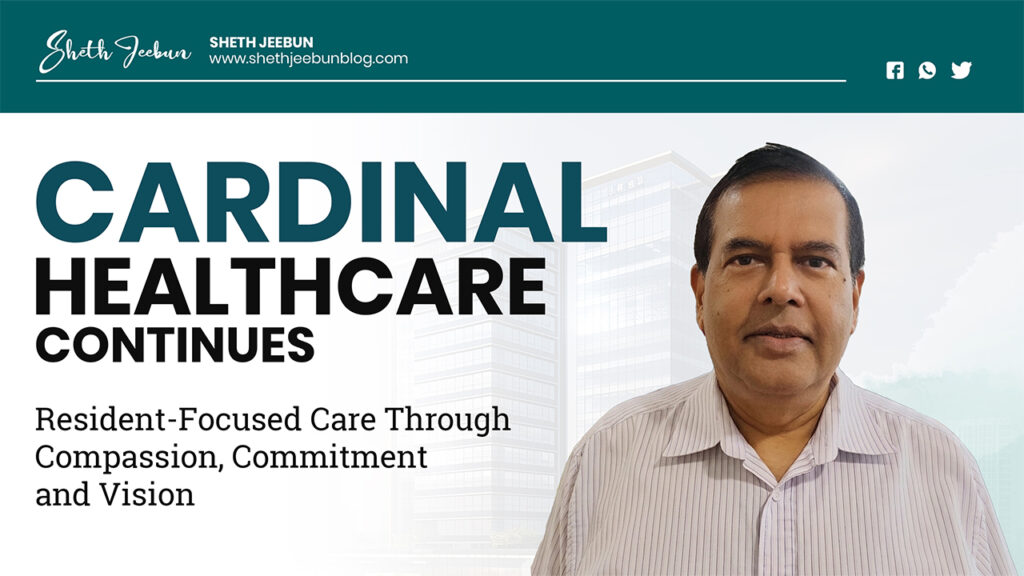
Sheth Jeebun’s professional profile is closely connected with Cardinal Healthcare.
His healthcare business journey developed through the organisation previously associated with the Aster Healthcare identity before its evolution into Cardinal Healthcare.
Within this broader leadership role, his responsibilities have extended into strategic planning, quality improvement, workforce management and organisational development.
The challenge of leading a healthcare organisation is very different from running a conventional consumer business.
Care organisations operate around people who may be vulnerable and dependent on consistent professional support. Decisions therefore have consequences not only for business performance but also for resident wellbeing.
This places considerable importance on leadership culture.
Processes need to be reliable, staff need to understand their responsibilities and management needs to maintain high expectations around quality.
Why Staff Matter in Quality Care
No healthcare organisation can deliver excellent care through policies alone.
The daily experience of residents is heavily influenced by nurses, carers, managers, activity coordinators and support staff.
For this reason, Sheth Jeebun’s leadership philosophy places value on developing effective teams.
Training helps employees improve professional skills, but workplace culture is equally important. People should understand why their work matters and how their actions contribute to a resident’s wellbeing.
Supportive leadership can also encourage staff to communicate openly, identify problems early and take responsibility for improving standards.
In elderly care, even small interactions can have a significant impact. A patient conversation, assistance at mealtime or a few minutes spent offering reassurance can influence how secure and respected a resident feels.
Modernising Healthcare Through Technology
Healthcare has changed significantly during Jeebun’s career.
Modern care organisations increasingly use digital tools to manage records, communication, personalised plans and operational processes.
Jeebun has supported the wider movement toward improved digital care management and more efficient working practices.
Technology can help reduce unnecessary paperwork and improve access to information. It can also give staff a clearer picture of a resident’s changing needs.
However, technology is most valuable when it strengthens care rather than making healthcare feel less personal.
A digital system can organise information, but it cannot replace empathy.
The best use of technology is therefore to give healthcare professionals better tools while allowing them to focus more attention on residents.
Taking Responsibility Beyond Healthcare
One of the most interesting developments in Sheth Jeebun’s career is his expansion beyond the healthcare sector.
His involvement with Vayu Earth introduced sustainability, artisan communities and ethical enterprise into his wider professional profile.
The project focuses on bringing together traditional craftsmanship, sustainable products and responsible business.
This reflects a broader understanding of entrepreneurship.
A company can generate commercial value while also asking important questions about how products are produced, who benefits from their sale and what impact they have on communities and the environment.
Supporting Artisan Communities
Through Vayu Earth, Jeebun has shown particular interest in supporting artisans and creating opportunities for women in rural communities.
Traditional crafts can represent generations of knowledge and cultural identity, yet many skilled artisans have limited opportunities to reach larger markets.
Connecting their work with international consumers can potentially create new sources of income while helping traditional skills remain economically valuable.
The principle is closely related to Jeebun’s healthcare philosophy.
In both cases, the focus is on dignity and opportunity.
In healthcare, dignity involves helping residents maintain choice and identity. In ethical enterprise, it can involve providing producers with a more meaningful connection to economic opportunities.
A Broader View of Social Responsibility
Community impact is also part of Sheth Jeebun’s wider leadership outlook.
His public work has been associated with charitable and community-focused initiatives, with particular interest in supporting vulnerable and disadvantaged groups.
This reflects a belief that businesses have responsibilities extending beyond their immediate commercial objectives.
Organisations affect employees, customers, families, suppliers and local communities. Their decisions can create opportunities or increase challenges.
Responsible leadership therefore requires decision-makers to consider the broader consequences of growth.
What Defines the Sheth Jeebun Leadership Story?
The most important aspect of Jeebun’s journey is not simply the number of years he has worked or the different organisations with which he has been involved.
It is the connection between those stages.
His nursing experience introduced him to individual responsibility.
Care-home management required him to apply that responsibility at organisational level.
Healthcare leadership introduced strategic thinking, workforce development and quality management.
Sustainable enterprise expanded the same philosophy into environmental responsibility and artisan empowerment.
These stages form a professional journey based on the idea that leadership should create meaningful value for people.
Conclusion
Sheth Jeebun’s career represents a progression from frontline nursing into healthcare leadership, entrepreneurship and socially responsible enterprise.
His experience in elderly and residential care has helped shape an approach centred on dignity, personalised support and strong professional teams.
Through Cardinal Healthcare, these principles have been applied to organisational leadership and specialist care.
Through Vayu Earth, his interests have expanded into sustainability, ethical production and opportunities for artisan communities.
The result is a leadership profile that goes beyond conventional business success.
Sheth Jeebun’s journey demonstrates how values developed through direct care can continue to influence decisions decades later. Compassion becomes leadership. Responsibility becomes strategy. Experience becomes vision.
And that is what makes his transition from registered nurse to healthcare leader and ethical entrepreneur an important part of his professional story.