

High-quality care depends on people.
Technology, facilities, policies and management systems all have an important role, but the everyday experience of a care-home resident is still shaped largely by the people supporting them.
That makes workforce development one of the biggest long-term priorities for adult social care.
Latest Skills for Care data published in June 2026 estimated that the vacancy rate in England’s adult social care sector had fallen to 6.2% in 2025/26, its lowest level for a decade. However, this still represented roughly 96,000 vacancies on any given day, demonstrating that recruitment and retention remain significant challenges.
For experienced care leaders, the question therefore goes beyond filling vacant positions. The greater challenge is creating workplaces where skilled people want to join, develop and remain.
Why Workforce Stability Matters
Continuity matters greatly in elderly care.
When residents regularly see familiar members of staff, relationships can become stronger. Care professionals learn individual preferences, communication styles, routines and subtle changes in behaviour.
Frequent staff turnover can make that continuity more difficult.
It may also increase pressure on existing teams as new employees need to be recruited, introduced and trained.
For care providers, workforce stability is therefore closely linked with both operational resilience and resident experience.
Recruitment Is Only the Beginning
Recruiting people into social care is important, but recruitment alone cannot create a strong workforce.
New employees need effective induction, ongoing training, clear expectations and support from managers.
They also need opportunities to build confidence.
Care work can involve complex responsibilities, particularly when supporting older people with multiple health conditions, mobility challenges, dementia or specialist nursing needs.
A good organisation should therefore view staff development as an ongoing process rather than a one-off requirement.
Leadership Shapes Workplace Culture
People often experience an organisation through their immediate managers.
Leadership influences whether employees feel valued, whether concerns are taken seriously and whether good work is recognised.
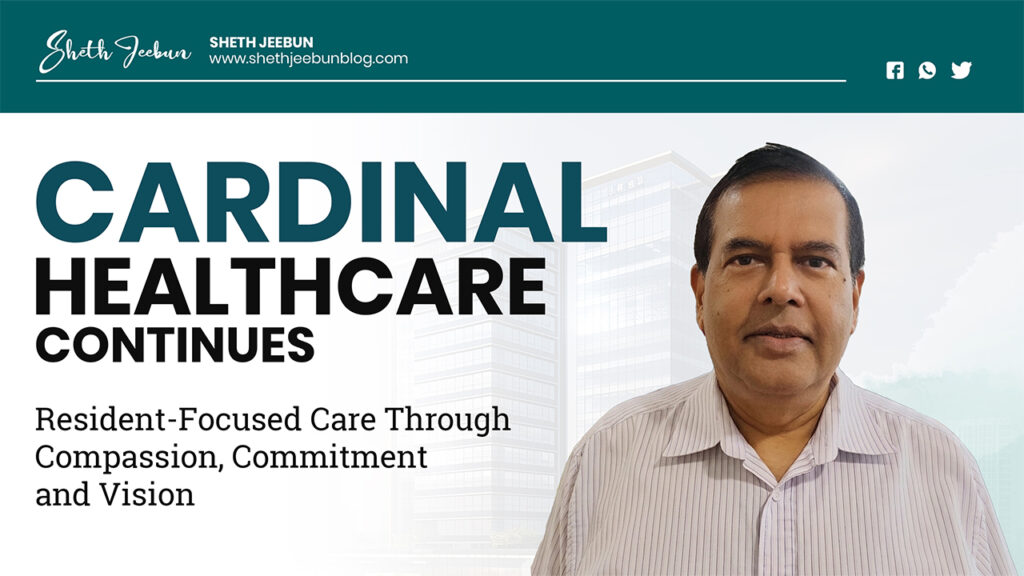
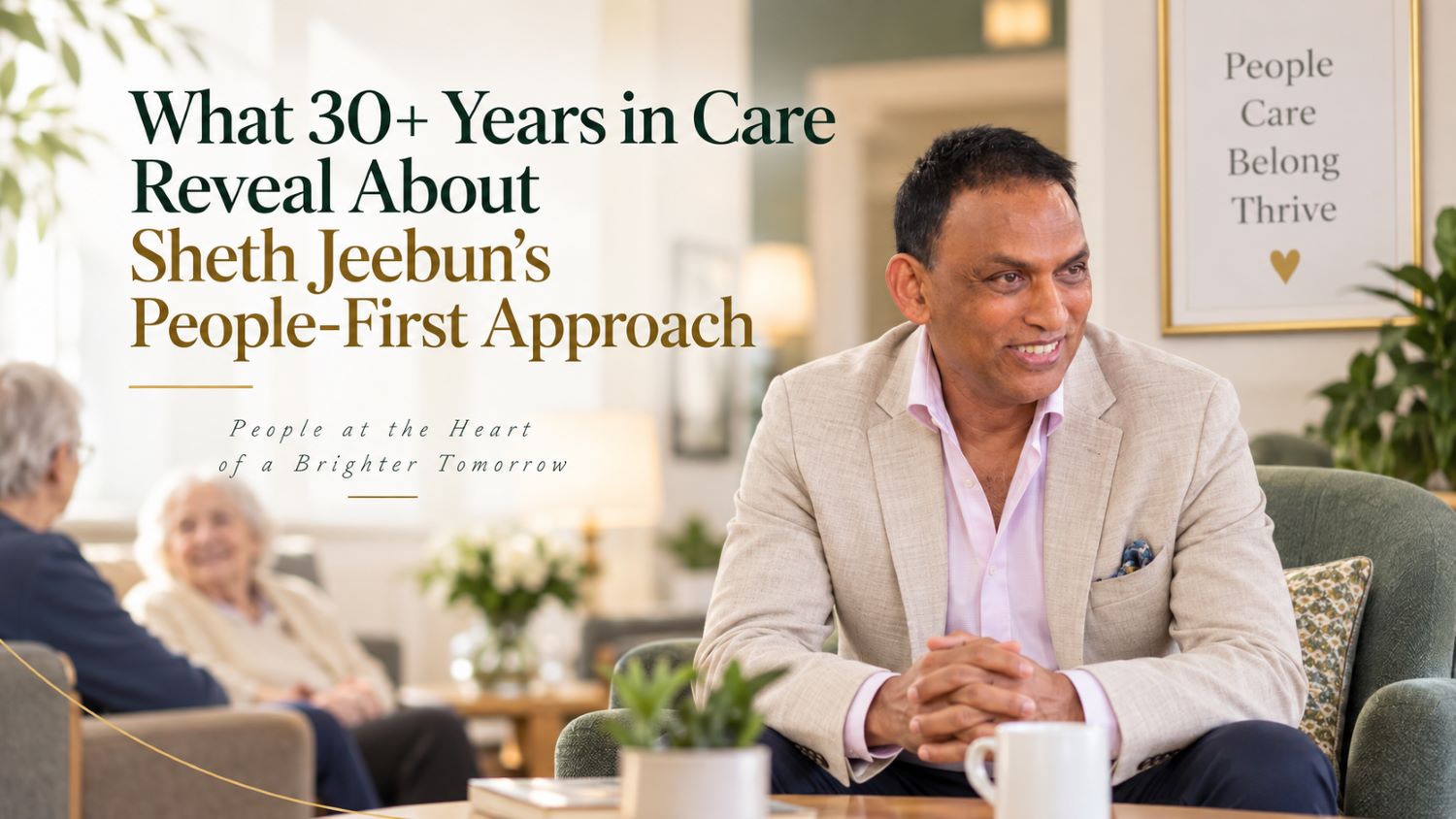
Sheth Jeebun’s professional background is rooted in healthcare and care management, with his public profile describing more than 30 years of care experience and a focus on compassionate leadership.
That combination of frontline understanding and management experience illustrates an important principle in social care: leaders need to understand both the operational needs of the organisation and the daily realities facing care teams.
Strong leadership can help create an environment in which expectations are clear but staff also feel able to ask questions, raise concerns and contribute ideas.
Supporting Staff Can Support Residents
Care staff regularly support people through vulnerable moments.
For employees to provide compassionate care consistently, they also need appropriate professional support.
Organisations can strengthen their workforce through measures such as:
- Structured induction for new employees
- Role-specific training and competency development
- Regular supervision and constructive feedback
- Opportunities for professional progression
- Recognition of strong performance
- Open communication between frontline teams and management
- A culture in which safety concerns can be raised appropriately
These practices do not replace fair working conditions or good management. They help create a broader culture in which people understand both their responsibilities and their value to the organisation.
Retaining Experience Within Care Services
Experienced employees carry knowledge that cannot always be captured in a manual.
They may understand how a particular resident communicates, what situations cause distress or which activities bring confidence and enjoyment.
When experienced staff remain within an organisation, this knowledge can be shared with newer team members.
Retention can therefore support organisational memory as well as workforce stability.
It may also create stronger pathways for experienced employees to become mentors, supervisors and future managers.
Preparing for Future Demand
Adult social care will continue to require a significant workforce.
Government analysis published in August 2026 identifies continuing demand across health and adult social care occupations and highlights the importance of skills supply and workforce planning.
Care providers therefore need to think beyond immediate vacancies.
Future workforce strategies should consider how organisations can attract people into care, develop their abilities and provide clear reasons for skilled employees to build long-term careers within the sector.
Technology Should Support, Not Replace, Human Care
Digital records, scheduling platforms and monitoring technologies can help care organisations work more efficiently.
Used well, technology may reduce administrative pressure and improve information sharing.
But elderly care remains fundamentally human.
A system cannot replace the reassurance of a familiar carer, thoughtful communication or the ability to recognise when someone’s behaviour has changed.
The most effective approach is therefore to use technology to support professional teams rather than treating it as a substitute for meaningful relationships.
The Role of Experienced Healthcare Leadership
Leaders within the care sector have a responsibility to create systems in which employees can perform at their best.
Sheth Jeebun’s journey from nursing and healthcare experience into broader management reflects the value of understanding care from different perspectives. Existing public information about his work emphasises staff coordination, operational oversight, quality care and long-term healthcare development.
That kind of experience can help organisations connect strategic decisions with their real impact on frontline care.
Final Thoughts
A sustainable care sector cannot be built simply by recruiting more people.
It depends on developing skills, retaining experience, supporting managers and creating organisational cultures where professional care is valued.
Recent workforce figures provide encouraging signs, but vacancies remain substantial and future demand will continue.
Care organisations that invest thoughtfully in their people will therefore be better positioned not only to operate effectively but also to provide older residents with the continuity, confidence and compassionate support they deserve.